
Diospyros lycioides
Diospyros lycioides
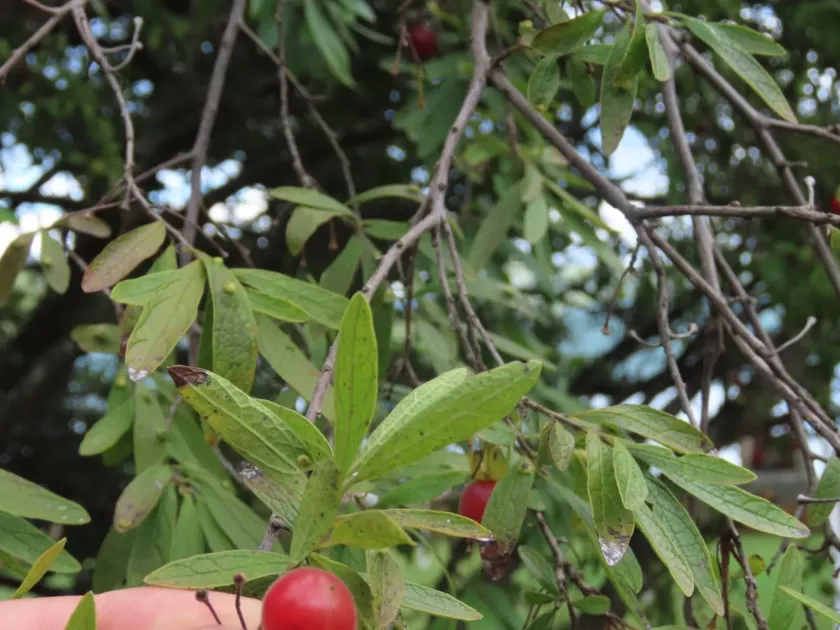
Description
Growing requirements
Diospyros lycioides, commonly known as the blue bush or Sierra bushveld, is a woody plant belonging to the Ebenaceae family. It is recognized for its high ecological resilience and ability to thrive in harsh environments, functioning either as a dense shrub or a small tree.
The native range of this species extends across various regions of Southern Africa. It naturally colonizes rocky slopes, bushveld, and riparian zones, demonstrating a remarkable plasticity in its site selection and ability to withstand competitive pressures from other savanna vegetation.
In terms of agricultural requirements, the plant prefers well-drained soil types. While it possesses inherent drought tolerance, its productivity is significantly enhanced when cultivated in deep, nutrient-rich soils that receive consistent rainfall during the primary growth cycles.
Temperature requirements for this species are typical of subtropical to semi-arid regions. It thrives under full sun, which is essential for the maturation of its edible fruits and for maintaining the physiological vigor required to resist seasonal water stress.
Cultivation techniques involve careful site preparation and management of weed competition during the early establishment phase. Regular pruning is recommended not only to shape the canopy but also to facilitate aeration and light penetration, which are vital for healthy fruit set.
Main diseases and pests
Phytosanitary threats to Diospyros lycioides primarily include soil-borne pathogens that thrive in waterlogged conditions. Preventing standing water around the root collar is the most effective management strategy against root rot diseases common in this genus.
Insect pests such as leaf-eating caterpillars, aphids, and scale insects can impact the overall health of the plant. Integrated pest management, focusing on biological controls and manual removal of infested shoots, is preferred to maintain the quality of the plant material.
Bark damage, caused either by mechanical injury during maintenance or environmental factors like intense UV exposure, can serve as an entry point for opportunistic wood-decay fungi. Proper application of wound-sealants is recommended following any pruning activities.
While the species is naturally robust, intensive cultivation in orchards may expose it to increased pressure from local insect populations. Constant vigilance and scouting for early signs of infestation remain the backbone of sustainable orchard management.
Wildlife interactions are a significant concern, as the foliage and fruits are attractive to various herbivores. Using protective mesh or physical barriers for young plants is a necessary component of the agricultural process in regions where herbivory pressure is high.