
Diospyros lanceifolia
Diospyros lanceifolia
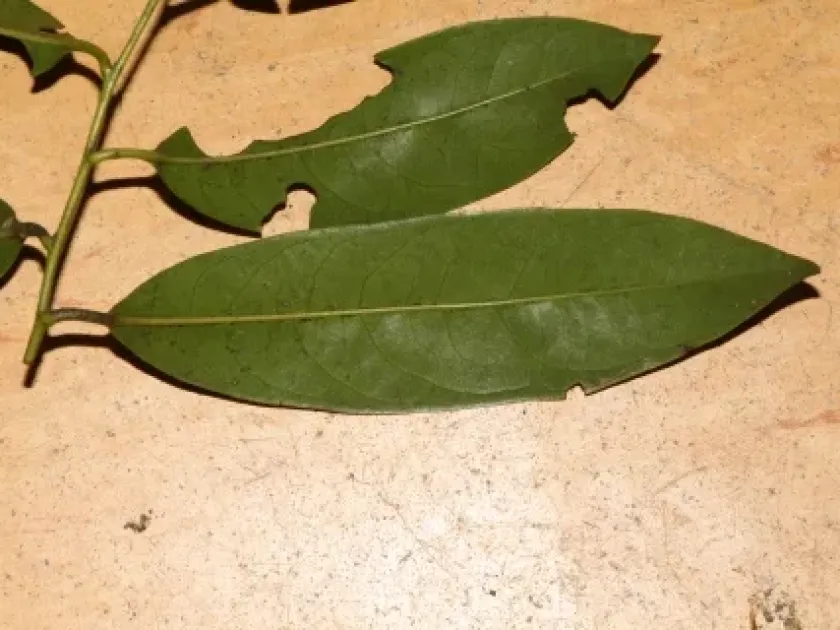
Description
Growing requirements
Diospyros lanceifolia is a tropical evergreen tree member of the Ebenaceae family. Native to the dense tropical rainforests of Southeast Asia, this species thrives in environments characterized by consistently high humidity and warm temperatures throughout the year.
The plant requires deep, fertile, and well-drained soil to prevent root rot, which is a common issue for many ebony-related species. It performs best in slightly acidic soil conditions and requires ample organic matter to sustain its vigorous growth during the juvenile phase.
Botanically, the species is identified by its distinct lanceolate leaves, which give it its specific name. The tree architecture usually features a dense, spreading crown, making it suitable for mixed agroforestry systems where it can benefit from partial canopy shade.
Climatic requirements are strict: the tree cannot withstand frost and suffers significantly if temperatures drop below 15°C. Consistent light intensity is necessary for optimal development, although nursery-grown specimens require acclimation to direct sunlight.
Standard agronomic practices include systematic irrigation management to maintain soil moisture without creating waterlogged conditions. Regular pruning is recommended not only to shape the tree but also to remove deadwood and improve airflow, reducing the risk of fungal infections.
Yield
The primary economic use of Diospyros lanceifolia involves the harvest of its edible fruit. These fruits are rich in tannins and sugars, serving as a supplementary food source for local communities in its native range.
Beyond fruit production, the wood of the tree is recognized for its durability and aesthetic appeal. In smaller-scale operations, the wood is harvested for woodworking and artisanal purposes, adding to the tree's versatility as an agricultural asset.
Main diseases and pests
Major pests affecting this crop include scale insects and mealybugs, which are notorious for damaging tender young foliage. Integrated pest management strategies, utilizing both predatory insects and botanical oils, are highly effective in controlling these outbreaks.
Pathogenic threats primarily include leaf spot diseases and root fungi exacerbated by poor drainage. Mitigation efforts involve site selection with proper elevation and the application of balanced fertilization to boost the tree's natural resistance.