
Diospyros kirkii
Diospyros kirkii
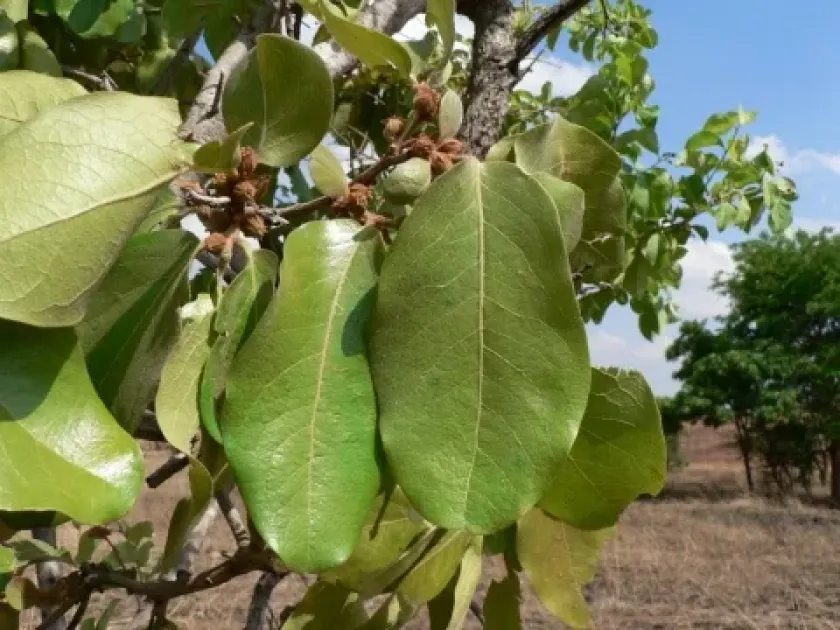
Description
Growing requirements
Diospyros kirkii is a distinguished member of the Ebenaceae family, commonly found in the tropical woodlands and savannas of East and Central Africa. It serves as an important botanical resource in its native range, characterized by its resilience.
The plant thrives in well-drained, sandy or gravelly soils that offer high aeration. It is biologically adapted to semi-arid climates, demonstrating a high tolerance for extended drought periods through deep rooting and a physiological slowing of metabolism.
Temperature requirements are strictly tropical, necessitating warm conditions year-round. Exposure to frost is fatal for this species; therefore, it is exclusively suited for regions where ambient temperatures remain above 15 degrees Celsius throughout the entire growth cycle.
Agricultural management for this species is largely based on sustainable harvesting and minimal intervention. It does not require intensive irrigation, although young seedlings benefit from controlled watering to establish a robust system before entering the dry season.
Economically, the tree is valued for its sweet, edible fruit which contributes to the local diet in rural African regions. Furthermore, the species plays a vital role in maintaining soil stability in erosion-prone savanna areas.
Main diseases and pests
Primary threats to the fruit crop include fruit flies and other Diptera species that lay eggs in developing fruits. This causes premature ripening and fermentation, significantly reducing the quality of the edible portions.
Fungal leaf spot diseases are common when humidity levels remain excessively high for prolonged periods. Effective crop protection strategies emphasize canopy management and the removal of infected plant debris to mitigate fungal spore propagation.
Root rot, specifically caused by waterlogging in clay-heavy soils, remains the most significant physiological disorder. Proper site selection focusing on light, porous soil structures is the best prevention against this lethal condition.
Various borers and sap-sucking insects pose secondary threats to the main stem and young shoots. Regular scouting of the plantation is recommended to identify early infestation stages before chemical intervention becomes necessary.
Loss of habitat due to land clearing for agricultural expansion of main food crops represents the most significant threat to the survival of natural Diospyros kirkii populations.