
Diospyros insignis
Diospyros insignis
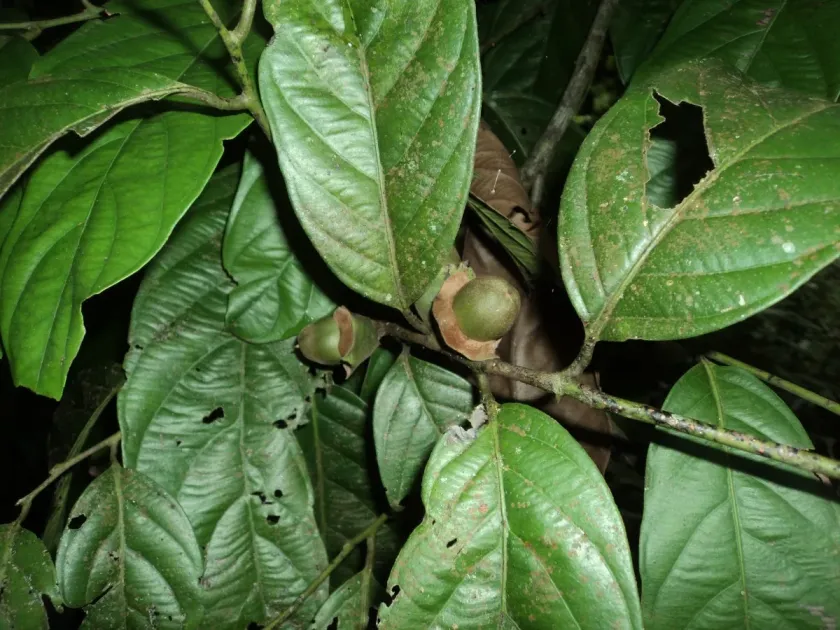
Description
Growing requirements
Diospyros insignis is a distinct species belonging to the Ebenaceae family, natively distributed across the tropical regions of Southeast Asia. This tree species thrives in environments characterized by high humidity and consistent, year-round warmth.
The plant requires deep, well-draining soil types, ideally rich in organic matter. Proper soil aeration is crucial to prevent root rot, which is a common physiological challenge in tropical orchard management when soil drainage is insufficient.
Climate conditions are the most critical factor for successful growth. The species does not possess significant cold hardiness and requires an environment free from frost and cold winds to maintain its physiological functions.
Adequate moisture management is essential. During the initial growth stages, consistent irrigation is needed, while mature trees can tolerate minor dry periods if they are well-established in the landscape.
Strategic site selection should include protection from heavy winds and exposure to moderate sunlight, ensuring the canopy receives enough radiation for the synthesis of carbohydrates and overall structural development.
Harvesting
The economic value of Diospyros insignis is primarily attributed to its timber. Similar to other members of the genus Diospyros, the wood is often valued for its hardness, density, and aesthetic color variation.
Harvesting of fruits occurs when the fruit reaches physiological maturity, indicated by color change and softening of the flesh. However, commercial fruit production is secondary compared to the wood utility.
Post-harvest management for timber requires careful drying and curing processes to prevent checking or warping of the high-quality wood during storage.
Agricultural practices involve periodic pruning and canopy management to promote uniform growth and ensure the health of the individual trees within a plantation setting.
Sustainable cultivation includes monitoring for potential pests common in the region, ensuring that the ecological balance is maintained while protecting the woody biomass of the trees.