
Diospyros inconstans
Diospyros inconstans
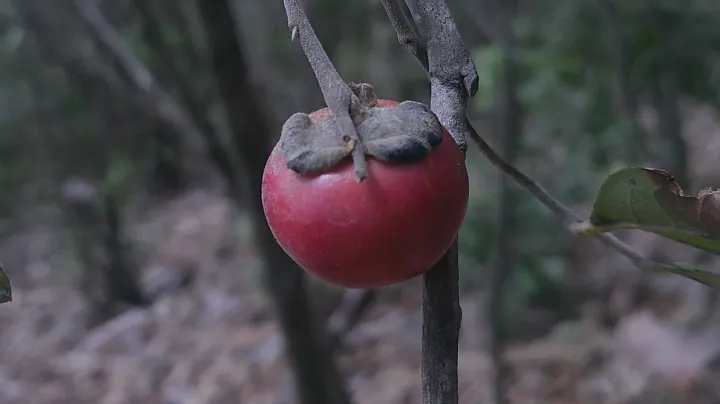
Description
Growing requirements
Diospyros inconstans is a member of the Ebenaceae family, native to tropical regions of South America. This evergreen tree is well-adapted to humid forest environments, where it plays a key role in the local forest structure.
The climate requirements for this species are strict, as it thrives only in tropical conditions with stable warm temperatures. It is highly susceptible to frost, making protected cultivation necessary in regions that experience temperature drops.
Soil requirements involve well-draining, fertile substrates rich in organic matter. While the tree can tolerate a variety of soil types, it performs best in neutral to slightly acidic loams that prevent root asphyxiation during heavy rains.
Agricultural management includes precise irrigation scheduling to keep the soil moist but not waterlogged. Mulching around the base is recommended to regulate soil temperature and conserve moisture during drier seasonal transitions.
Light management is crucial, especially for young saplings that require partial shade. As the trees mature, they require full exposure to reach their full potential in fruit production and vegetative growth.
Yield
The primary economic use of Diospyros inconstans is its fruit, which serves as a seasonal nutritional source. These fruits are consumed locally and represent an important part of the regional diet due to their profile of vitamins and minerals.
The timber obtained from this tree is known for its density and fine texture. Although not used for mass industrial production, it is highly valued by local artisans for carving and the creation of durable, aesthetic wood products.
Yield stability is directly linked to pollinator availability and climate consistency throughout the flowering period. When conditions are optimal, the tree demonstrates consistent productivity, though harvesting remains a labour-intensive task.
Post-harvest handling is critical because the fruit is prone to bruising. Using appropriate containers and gentle harvesting techniques is essential to ensure the product reaches the market in high-quality condition.
Ongoing agricultural interest focuses on the tree's resilience to local pests and its ability to thrive in polyculture systems. This makes it an interesting candidate for sustainable small-scale agroforestry projects in the tropics.