
Diospyros gracilipes
Diospyros gracilipes
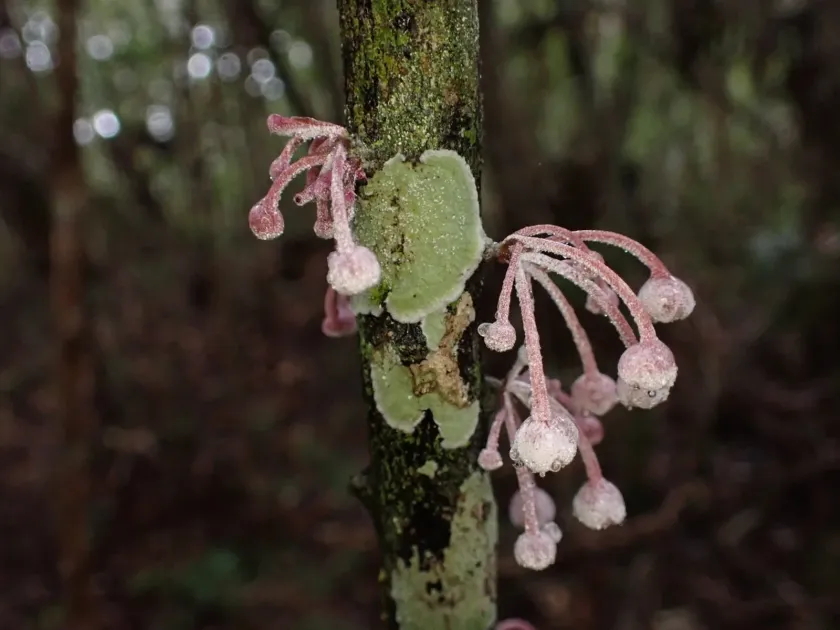
Description
Growing requirements
Diospyros gracilipes is an evergreen tree species belonging to the Ebenaceae family. Native to the island of Madagascar, it is typically found in humid tropical forests where the environmental conditions remain consistent throughout the year.
The plant requires well-draining, nutrient-rich soil to thrive. In a controlled environment such as a greenhouse, it is essential to maintain a substrate with high organic matter content and proper aeration to prevent root suffocation.
Regarding climate, Diospyros gracilipes demands high temperatures and cannot tolerate frost. It thrives in an environment with high humidity, making it suitable for specialized tropical collections where temperature and moisture can be precisely regulated.
The botanical characteristics include elegant, slender petioles and deep green, leathery leaves that are typical for this genus. The growth habit is generally slow, making it an excellent candidate for conservatory cultivation where space might be limited.
Light management is crucial; while it prefers bright light, direct exposure during the peak heat of the day can damage the foliage. Providing dappled sunlight or filtered light is the recommended approach for successful long-term cultivation.
Main diseases and pests
The primary pests affecting Diospyros gracilipes in greenhouse conditions include spider mites and mealybugs. These organisms thrive in dry environments, necessitating regular monitoring and periodic misting of the canopy to maintain sufficient humidity.
Root pathogens such as Pythium or Phytophthora species pose a significant threat if drainage is inadequate. Overwatering, especially during the dormant season, creates an ideal environment for these pathogens to destroy the root system.
Nutrient deficiencies often manifest as chlorosis, where the leaves lose their deep green pigmentation. Utilizing balanced, high-quality fertilizers designed for tropical trees can prevent these deficiencies and support robust health.
- Monitor for leaf discoloration as an early sign of stress.
- Use systemic insecticides only when necessary to avoid harming beneficial microorganisms.
- Implement proper quarantine measures for new plants to prevent pest introductions.
Ultimately, maintaining a stable, humid, and clean environment is the most effective strategy for preventing disease outbreaks in Diospyros gracilipes populations, ensuring the longevity and health of these rare botanical specimens.