
Smooth persimmon
Diospyros glabra
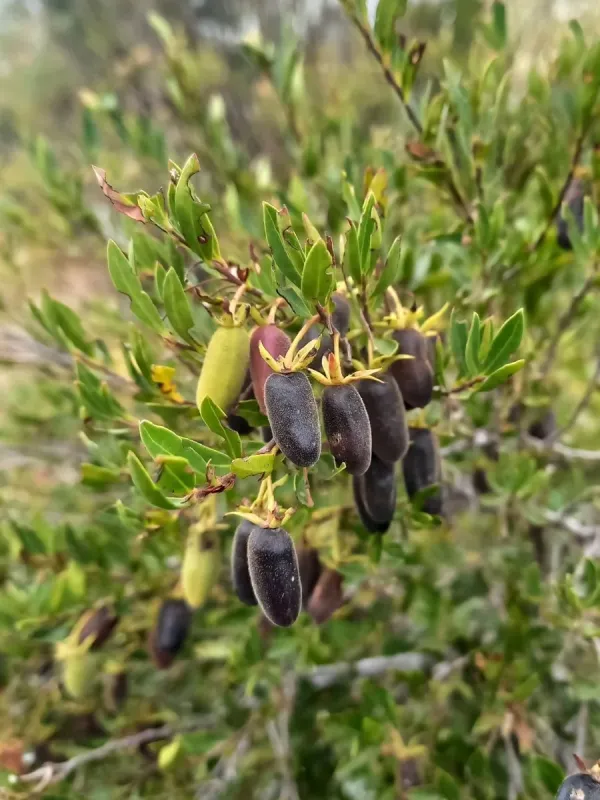
Description
Growing requirements
The smooth persimmon (Diospyros glabra) is a perennial woody plant belonging to the Ebenaceae family. It is known for its distinct morphological characteristics and remarkable ability to thrive in challenging, arid environments native to Southern Africa.
In its natural habitat, the plant is typically found in savanna regions and rocky terrains. It is highly valued for its adaptation to water scarcity, making it a subject of interest for arid-land agriculture and xeriscaping projects.
Cultivation of Diospyros glabra requires well-drained, sandy or gravelly soils. Heavy, clay-rich soils that retain excessive moisture are unsuitable, as they inhibit root development and promote the growth of soil-borne pathogens.
Regarding climate, this species demands warm temperatures and intense sunlight. While it can withstand periods of drought, it is not frost-tolerant and requires protection during colder months if cultivated outside of its natural geographic range.
Botanically, the tree exhibits a glabrous (smooth) foliage texture, which serves as a distinguishing feature. The plant typically reaches a moderate height, forming a dense canopy that provides significant shade, contributing to the local ecosystem.
Main diseases and pests
Root rot is the most critical threat to the smooth persimmon. This condition is almost exclusively linked to poor drainage or excessive irrigation, which the species is physiologically unequipped to handle.
Scale insects and aphids represent the most frequent pest challenges. These pests attach themselves to the bark and young shoots, extracting sap and weakening the tree, which can lead to stunted growth and reduced fruit yield.
Fungal infections, such as leaf spot, may occur in humid conditions. Ensuring adequate spacing between trees and maintaining proper pruning practices can significantly reduce the humidity around the canopy, deterring fungal spread.
Vertebrate pests, including rodents and various bird species, often feed on the developing fruit. Protective measures, such as netting or bird deterrents, are often necessary to ensure a successful harvest season.
Integrated pest management strategies are recommended, focusing on maintaining tree vigor through appropriate fertilization and regular health inspections to identify potential infestations before they become widespread.