
Diospyros ferrea
Diospyros ferrea
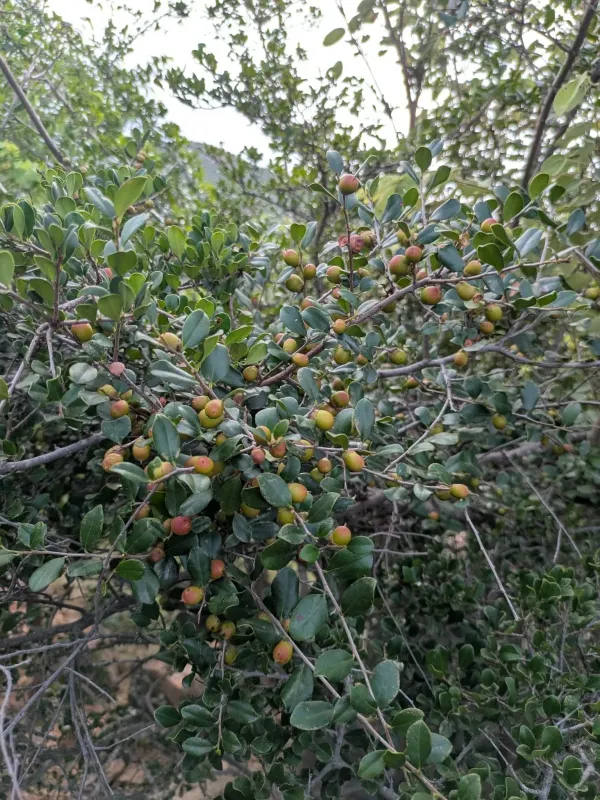
Description
Growing requirements
Diospyros ferrea belongs to the Ebenaceae family. This evergreen species is highly regarded for its dense, durable wood and its versatile application in both ecological restoration and timber production.
The plant thrives in well-draining, nutrient-rich soils. In tropical climates, it can adapt to various soil types, provided that the drainage remains excellent to prevent root asphyxiation during heavy rains.
Climate requirements include high ambient temperatures and significant humidity levels. It is an exclusively tropical plant that lacks cold hardiness and must be shielded from frost at all times.
Regular maintenance involves light pruning to manage the canopy and encourage vigorous growth. This cultural practice also aids in maintaining the tree's health and structural integrity over time.
The economic value of this species is primarily derived from its high-quality timber, while its aesthetic appeal makes it a frequent choice for tropical garden landscaping and city parks.
Main diseases and pests
The primary agricultural threats to this crop include soil-borne pathogens that target the root system if the soil remains waterlogged for extended periods during the monsoon season.
Common pests such as scale insects and aphids can infest the younger foliage, causing stunted growth and encouraging the development of sooty mold on the leaf surfaces.
Preventative strategies focus on maintaining optimal spacing between trees to ensure adequate airflow and sunlight penetration, which naturally inhibits fungal growth.
Application of specialized horticultural oils or systemic insecticides may be necessary during severe infestation outbreaks to protect the primary growth points.
Sustainable plantation management requires routine site inspections to detect early warning signs of decline, such as yellowing leaves or unexplained leaf drop across the canopy.