
Mabolo
Diospyros discolor
Description
Growing requirements
Mabolo, scientifically known as Diospyros discolor, is a member of the Ebenaceae family. It is a large evergreen tree native to the Philippines, widely valued for its edible fruit and its dense, dark wood often referred to as kamagong or Philippine ebony.
The cultivation of mabolo requires a tropical climate with consistent temperatures and high humidity. It thrives best in fertile, deep, and well-drained soils. Stagnant water is detrimental to the root system, so slope-based planting or raised beds are often preferred in high-rainfall areas.
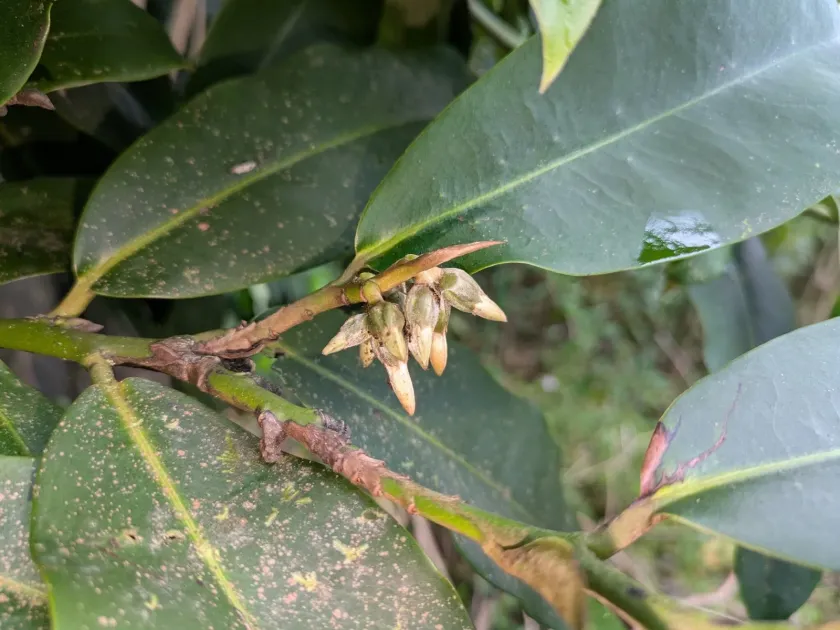
The tree exhibits striking botanical features, including glossy dark green leaves with a silky, velvety underside. This pubescence is a hallmark of the species and provides a unique aesthetic quality to the landscape while also serving as a mechanism to manage transpiration.
Agricultural management requires regular irrigation, particularly during dry seasons to ensure consistent fruit development. Young trees are sensitive to cold and require windbreaks to prevent physical damage to the leaves and developing branches, which are fragile in early growth stages.
Nutrient management is critical for productivity; applying balanced fertilizers with adequate trace elements supports robust canopy growth. Pruning is essential to maintain tree structure and improve aeration, which reduces the risk of fungal outbreaks in dense tropical environments.
Yield
The fruit of the mabolo tree is a globose berry covered in fine, velvety hairs, which range in color from yellowish-orange to dark red or purple. The pulp is creamy, aromatic, and mildly sweet, often consumed fresh or used in salads and desserts.
The wood is of significant commercial interest due to its extreme hardness and dark color. It is highly sought after for furniture making, decorative carvings, and flooring, providing a dual income stream for farmers who manage the trees for both fruit and timber production.
Main diseases and pests
Common agricultural pests include mealybugs and scale insects, which cluster on young twigs and leaves. Left untreated, these pests can lead to significant sap loss and promote the growth of sooty mold, which impairs photosynthesis and reduces overall yield.
Fungal diseases, such as leaf spot and fruit rot, pose risks during periods of excessive moisture. Integrated pest management, focusing on biological controls and proper canopy sanitation, is the recommended strategy to maintain the health of the orchard.
Harvesting
Harvesting should be performed manually to prevent skin damage to the delicate velvet coat. Maturity is identified by the fruit's color transition and ease of detachment. Proper handling post-harvest is crucial, as the fruit bruises easily and has a limited shelf life.