
Diospyros dichrophylla
Diospyros dichrophylla
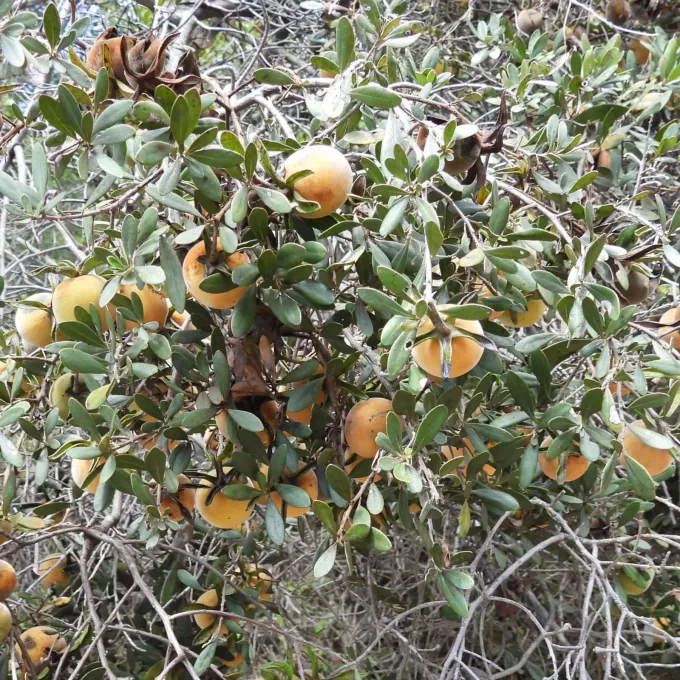
Description
Growing requirements
Diospyros dichrophylla is a species belonging to the Ebenaceae family, native to the southern regions of Africa. This evergreen tree is well-adapted to subtropical environments, where it thrives in conditions characterized by stable temperatures and moderate rainfall patterns throughout the year.
Successful cultivation requires well-drained soils that offer high permeability to prevent waterlogging, which the root system is particularly sensitive to. A deep, loamy soil profile with a slightly acidic to neutral pH is considered optimal for the sustained growth and development of this specific tree species.
The species is highly heliophilic, meaning it requires full exposure to sunlight to maintain proper canopy architecture and fruit production. In regions where natural sunlight is insufficient, growth may become spindly, and the overall yield of the plant will significantly decline during the reproductive phase.
Regarding climate, Diospyros dichrophylla is sensitive to freezing temperatures and frost, necessitating protected cultivation in regions outside its native range. Stable thermal conditions are essential for maintaining metabolic processes and preventing damage to the young, tender foliage during the primary growing season.
Water management is a crucial aspect of its agricultural practice. Growers must ensure consistent moisture availability during the flowering and fruit-setting stages, while simultaneously avoiding excessive soil saturation to mitigate the risk of root pathogens and fungal diseases common in the Ebenaceae family.
Harvesting
Harvesting of this crop is typically performed by hand to ensure the delicate fruit remains undamaged during the process. The timing of the harvest is determined by the development of the fruit's characteristic color and firmness, which indicate that the internal physiological maturity has been achieved.