
Diospyros decandra
Diospyros decandra
Description
Growing requirements
Diospyros decandra is an evergreen tree belonging to the Ebenaceae family. Known locally as the golden apple, it is a significant tropical species native to the humid regions of Southeast Asia.
The tree thrives in high-temperature environments with substantial annual rainfall. It is strictly a tropical plant that does not survive in climates prone to frost, limiting its cultivation to specific geographical belts.
For optimal growth, the species requires deep, fertile, and well-drained soils. A slightly acidic soil reaction is ideal to ensure the tree maintains efficient nutrient uptake throughout the growing season.
Strategic light management is crucial; while mature trees are sun-tolerant, juvenile specimens benefit from filtered light to prevent leaf scorching. Adequate spacing is necessary to facilitate proper airflow between tree canopies.
Agronomic maintenance includes routine soil fertilization using organic compost and regular pruning. Pruning is essential to remove damaged branches and improve the overall structural integrity of the tree.
Yield
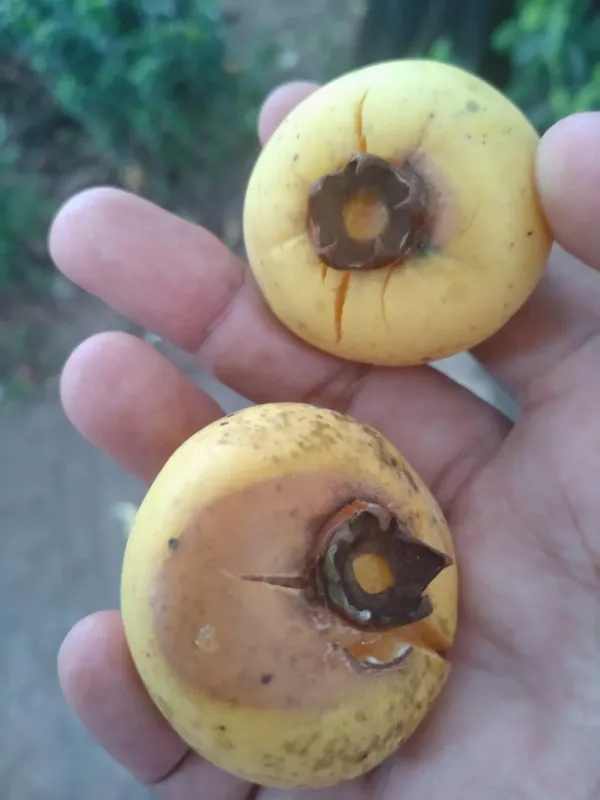
The fruits of Diospyros decandra are spherical, turning a vibrant yellow when ripe. They possess a distinct fragrance and are highly prized in local markets for both their flavor and nutritional profile.
Commercial productivity varies based on the level of orchard management. With proper irrigation and pest control, mature trees provide consistent annual yields throughout the harvest season.
Main diseases and pests
Root rot and fungal infections represent the primary phytosanitary risks, especially in poorly drained soils. Management involves implementing strict moisture control and ensuring the orchard soil remains aerated.
Insect pests, such as fruit flies and scale insects, are known to target the foliage and fruit. Integrated pest management, including the use of pheromone traps, is recommended to minimize chemical input.
Harvesting
Harvesting should be performed carefully to avoid mechanical damage to the thin skin of the fruit. Picking should occur only when the fruit reaches its peak maturity to ensure the best sweetness and quality.