
Diospyros crassinervis
Diospyros crassinervis
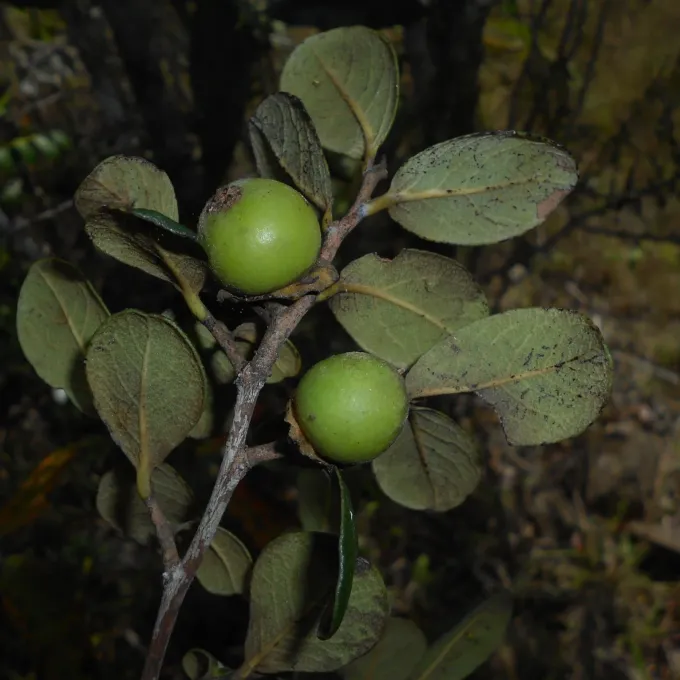
Description
Growing requirements
Diospyros crassinervis is a distinct species within the Ebenaceae family, characterized by its evergreen foliage and specialized adaptation to tropical environments. Native primarily to the Caribbean region, specifically Cuba, this tree serves as an important component of local biodiversity.
Botanically, the species is known for its resilient structure and specific leaf morphology, which allows it to thrive in its natural, often limestone-based habitats. As a member of the Diospyros genus, it shares structural similarities with other persimmon-relatives, though it occupies a unique ecological niche.
The climate requirements for this species are strictly tropical. It demands consistent high temperatures throughout the year to maintain its physiological functions. Exposure to frost or prolonged cold weather is detrimental and can easily lead to the loss of plant vigor or total mortality.
Soil management is critical for the healthy cultivation of Diospyros crassinervis. It prefers well-drained, porous soils that prevent the accumulation of water around the root zone, as the species is highly susceptible to root diseases caused by anaerobic conditions in waterlogged soil.
Agricultural practices for this culture emphasize the necessity of maintaining optimal light conditions. While younger specimens benefit from diffused sunlight to avoid leaf scorch, mature trees require significant exposure to sunlight to sustain their metabolic processes and canopy density.