
Allocasuarina decussata
Allocasuarina decussata
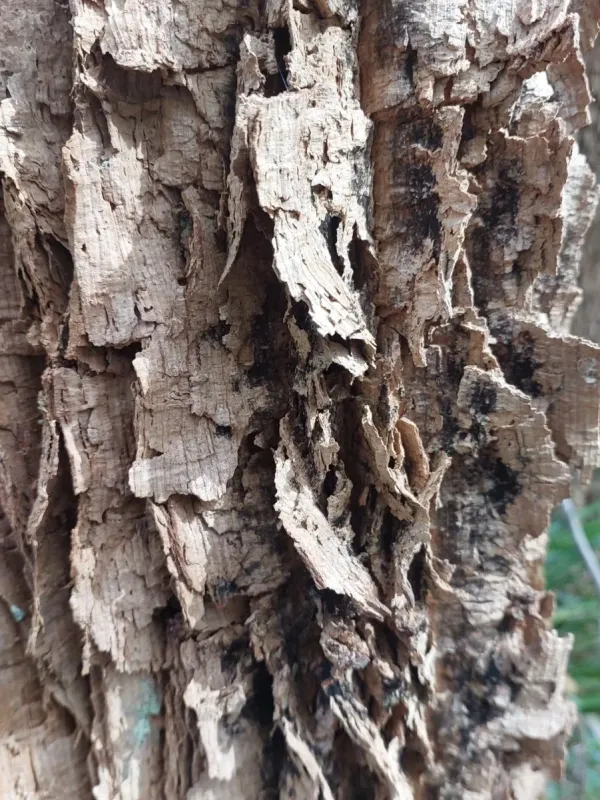
Description
Growing requirements
Allocasuarina decussata belongs to the Casuarinaceae family, an iconic group of plants native to the southwestern region of Western Australia. It is a sclerophyllous evergreen tree, uniquely adapted to harsh environmental conditions and nutrient-poor, rocky soil profiles.
The cultivation requirements for this species focus on excellent drainage and full sun exposure. It thrives in Mediterranean-type climates, handling hot, dry summers with ease while requiring minimal supplemental irrigation once the root system is well-established in the field.
Soil management should prioritize minimal disturbance to maintain the existing mycorrhizal networks and nitrogen-fixing bacteria associations. The tree performs exceptionally well in gravelly or skeletal soils where other traditional agricultural crops would fail to survive.
Planting density depends on the primary goal, such as shelterbelt establishment or timber production. Young saplings require protection from strong winds and intense herbivory during the first few years until they develop the tough, needle-like branchlets characteristic of the genus.
Biological adaptation is the plant's main asset; its reduced leaves minimize water loss through transpiration. This makes the species an ideal candidate for reforestation efforts in regions facing increasing aridity due to climatic shifts and environmental degradation.
Yield
The primary economic output of Allocasuarina decussata is its high-density timber. Known for its strength and attractive, distinct grain, the wood is utilized in specialty cabinetry, woodturning, and the production of artisan decorative items that require durability.
In agricultural settings, it serves as a critical component of windbreak systems. By breaking the velocity of prevailing winds, it significantly reduces soil erosion and protects vulnerable crops from mechanical damage and moisture loss throughout the growing season.
Ecologically, the species acts as a soil conditioner. Through its symbiotic relationship with nitrogen-fixing organisms, it contributes to the long-term enrichment of the soil, making it a valuable tool in land rehabilitation and mine site restoration projects.
As a biomass resource, the timber is prized for its high energy content. Its slow burning rate and steady heat output make it an efficient source of fuel, supporting sustainable harvesting practices within managed forestry units that follow long-term growth cycles.
Furthermore, the species supports local biodiversity by providing shelter for native fauna. Its presence in rural landscapes enhances the overall stability of the ecosystem, proving its value beyond simple agricultural production in challenging environments.