
Alangium uniloculare
Alangium uniloculare
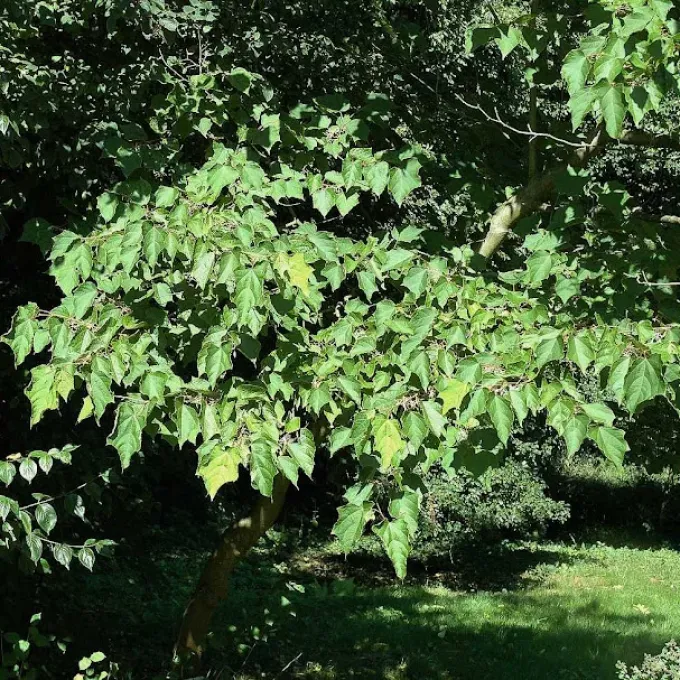
Description
Growing requirements
Alangium uniloculare is a member of the Cornaceae family. This woody plant is native to the tropical forests of Southeast Asia, thriving in regions with high humidity and consistent rainfall patterns.
The plant demands deep, fertile soils that are rich in organic matter and possess excellent drainage properties. It is highly intolerant of waterlogged soil conditions which can trigger root rot.
Climate requirements include a tropical environment with temperatures consistently above 20 degrees Celsius. Frost sensitivity is high, meaning cultivation is strictly limited to frost-free tropical zones.
Proper light management is essential, as the species requires significant solar radiation to support its physiological processes and produce sufficient secondary metabolites.
Agricultural practice should include wide planting density to ensure proper air circulation, which helps reduce the risk of humidity-related fungal infections on the leaves and stems.
Harvesting
The primary economic importance of Alangium uniloculare lies in its medicinal properties. The bark and roots contain unique alkaloids that are harvested for botanical and pharmacological research purposes.
Harvesting methods involve selective collection of bark, ensuring that the tree is not ring-barked, which would lead to its death. This sustainable approach is critical for long-term plantation management.
Fruit harvesting is performed manually once the seeds have reached physiological maturity. Post-harvest, seeds must be dried in controlled conditions to prevent mold formation.
The wood of the tree is occasionally utilized in artisanal crafts due to its specific density and grain pattern, contributing to its status as a multi-purpose tropical resource.
Optimal yields are achieved through integrated management strategies, including regular soil testing, monitoring for nutrient deficiencies, and applying fertilizers that maintain the soil pH within an optimal range.