
Alangium salviifolium
Alangium salviifolium
Description
Growing requirements
Alangium salviifolium is a distinctive tree species belonging to the Cornaceae family. Native to the tropical and subtropical regions of Asia, it is highly valued for both its ornamental properties and its significant medicinal potential in traditional and modern herbal practices.
The plant thrives in warm, humid climates and prefers well-drained, nutrient-rich soils. It exhibits moderate drought tolerance, making it a resilient crop in its natural habitat, though irrigation is essential during early developmental stages to ensure healthy tree establishment and growth.
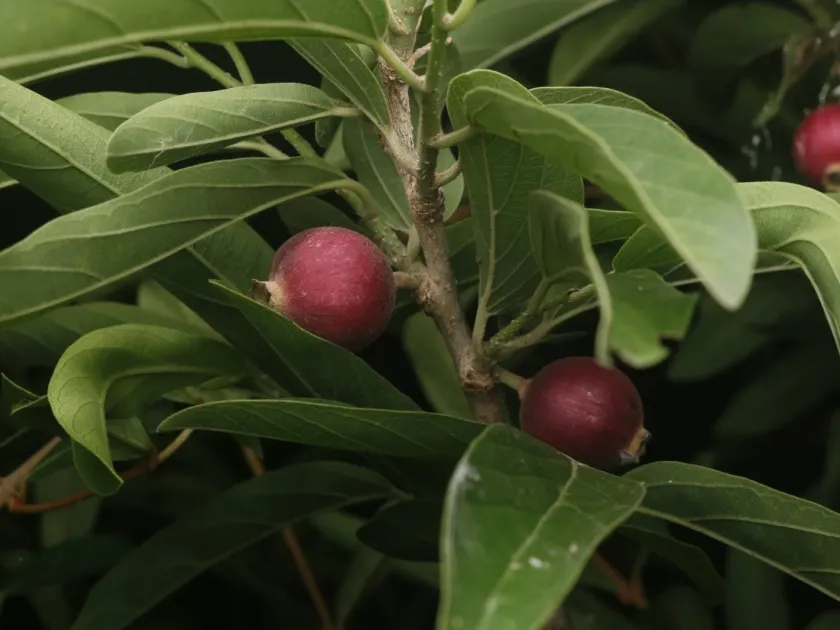
Botanically, it is characterized by its simple, alternate leaves that possess a texture and shape reminiscent of common sage. The plant produces fragrant flowers that attract various pollinators, followed by edible drupes which contribute to the local ecosystem's biodiversity.
Regarding agricultural practices, the cultivation of this species focuses on maintaining optimal soil fertility and avoiding root saturation. It is a slow-growing tree that benefits from periodic pruning to maintain structural integrity and improve the accessibility of harvested parts.
The primary economic use for this plant lies in the extraction of bioactive compounds. The roots and bark are rich in alkaloids, particularly alangine, which are widely researched for their pharmacological applications, including antihypertensive and anti-inflammatory properties.
Main diseases and pests
Like many species in the Cornaceae family, Alangium salviifolium is generally robust. However, it can be susceptible to fungal pathogens in conditions with high humidity and poor air circulation, which may lead to leaf spotting or branch dieback.
In terms of pests, scale insects and spider mites are the most common concerns. These pests often target young, succulent foliage, necessitating careful monitoring and integrated pest management strategies to protect the plant's health and potential yield.