
Alangium platanifolium
Alangium platanifolium
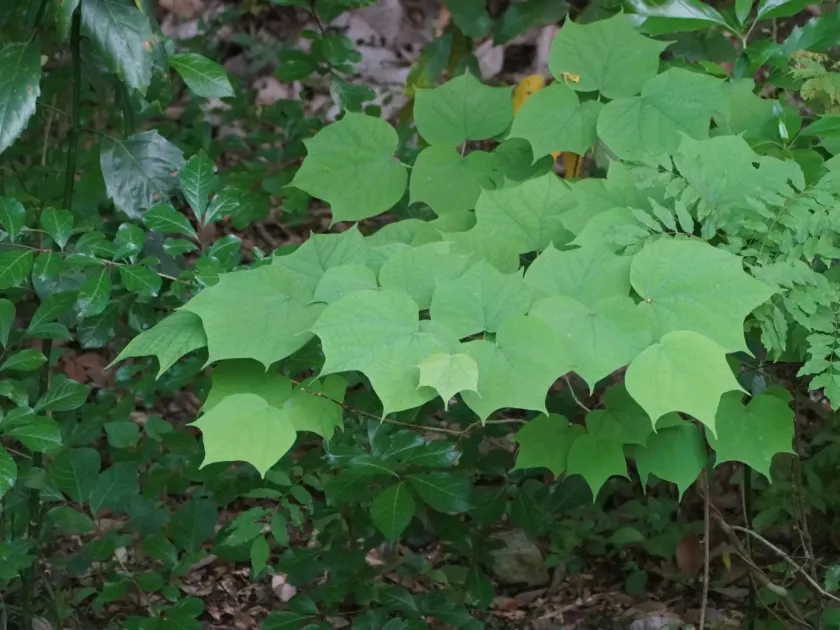
Description
Growing requirements
Alangium platanifolium is a deciduous tree belonging to the Cornaceae family. Known for its distinctively shaped, platan-like leaves, this species serves as an elegant addition to temperate gardens, reaching heights that make it suitable for both small and medium landscapes.
Originating from East Asia, including Japan and China, this tree is well-adapted to environments that provide partial shade and protection from strong winds. Its native habitat includes forest edges where the soil is rich in organic matter and maintains constant moisture.
To cultivate this species successfully, choose a site with deep, fertile, and well-drained soil. It thrives in slightly acidic to neutral pH conditions. Adequate drainage is essential, as the roots are sensitive to waterlogging, which can easily lead to decline and root rot.
The plant requires consistent moisture during the growing season, especially in its early years of establishment. Mulching the base of the tree is highly recommended to regulate soil temperature, retain moisture, and suppress weeds that might compete for nutrients.
Maintenance involves light pruning to manage the shape and size of the canopy. Removing dead or crossing branches in late winter helps promote airflow and sunlight penetration, which in turn reduces the risk of disease and improves the tree's overall structure.
Main diseases and pests
Fungal diseases, such as leaf spot and powdery mildew, are the most frequent issues for this plant. These typically emerge in humid conditions or where there is poor air circulation, necessitating regular inspections during the wet periods of the year.
Pests like aphids and scale insects can infest tender new growth during the spring. Implementing integrated pest management, such as the use of horticultural oils or insecticidal soaps, is usually sufficient to handle these outbreaks without harming the plant's health.
Root-related problems often arise from poor site selection or over-irrigation. If the tree displays signs of chlorosis or wilting despite adequate moisture, checking the soil structure for compaction or water saturation is the first step in remediation.
Winter care is crucial in colder climates to prevent frost cracking and rodent damage. Wrapping the lower trunk or using protective guards can prevent common injuries during the dormant season, ensuring the tree remains healthy for the next spring.
While primarily valued for its ornamental quality in botanical gardens and private estates, Alangium platanifolium has limited agricultural application. Its usage is restricted to landscape design and horticulture, where its unique foliage serves as a structural highlight.