
Alangium chinense
Alangium chinense
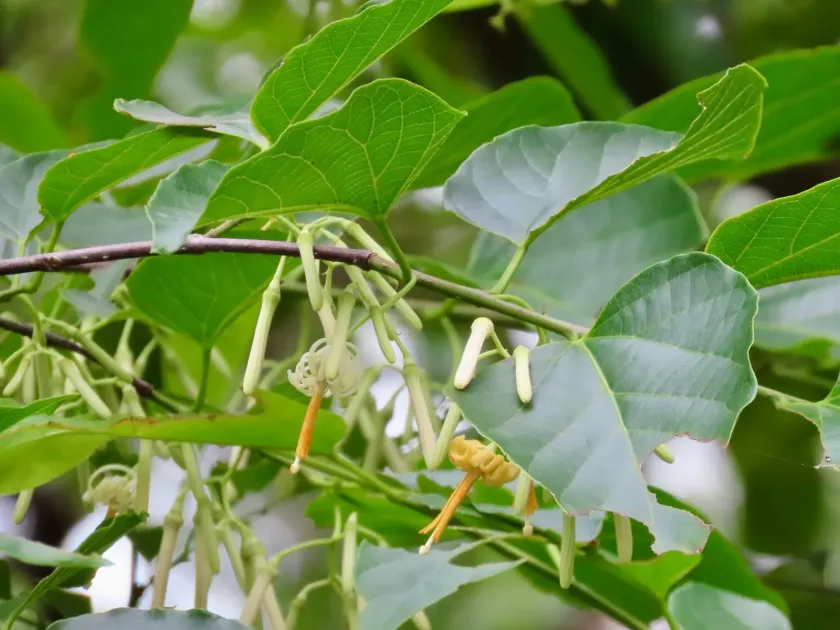
Description
Sowing dates
The propagation of Alangium chinense is typically achieved through seeds, which require stratification to improve germination rates. The ideal time for sowing is during the spring when soil temperatures stabilize and the risk of late frosts has passed.
Seeds are placed into a nutrient-rich substrate at a depth of about two centimeters. Maintaining consistent moisture is essential, though one must be careful to avoid waterlogging, which can easily destroy the embryonic plant before it establishes.
Large-scale production often employs vegetative propagation via semi-hardwood cuttings taken during the summer months. These cuttings are treated with rooting hormones and maintained in misted greenhouses to promote successful root development.
Seedlings usually require one to two years of nursery care before they are hardened off and transplanted to their permanent location. Protecting young plants from intense direct sunlight is vital during the initial stages of establishment.
Spacing should be managed to ensure adequate ventilation and light penetration as the plant matures. As it grows, the plant develops into a significant shrub or small tree, necessitating sufficient room for its root system to thrive.
Growing requirements
Alangium chinense, a member of the Cornaceae family, thrives in conditions that mimic its native subtropical forest environment. It prefers well-drained, fertile soil that is rich in organic matter, with a slightly acidic to neutral pH level.
The species has high humidity requirements and performs best in regions with mild temperatures and regular rainfall. Excessive dryness can cause growth stunting and leaf drop, significantly reducing the vigor of the plant.
Site selection should provide partial shade or dappled sunlight. While it can tolerate some sun, it is biologically adapted to understory conditions and may suffer from heat stress if exposed to the midday sun for extended periods.
Temperature management is critical, as Alangium chinense exhibits moderate cold tolerance. In cooler regions, protection from harsh winds and frost is necessary to prevent severe dieback of the branches.
Regular fertilization with balanced organic fertilizers during the active growing season supports the development of robust foliage. Mulching is highly recommended to regulate soil moisture and suppress competition from weeds.
Yield
The economic value of Alangium chinense is primarily derived from its medicinal use. The yield of bark, leaves, and roots depends heavily on the age of the tree and the standard of agricultural care provided throughout the growth cycle.
Bark harvesting is restricted to mature trees, typically aged five to seven years or older. Sustainable harvesting practices are essential to ensure the longevity of the plant while allowing for continuous production.
Leaves can be harvested annually from younger plants without significant impact on the overall health of the tree. Proper harvesting techniques ensure that the tree maintains enough canopy to continue its photosynthetic activity.
Root harvesting is often performed during thinning operations. The total yield of raw material depends on soil structure and the plant's overall access to nutrients and water during the peak growing phase.
Maintaining high productivity levels requires careful monitoring and the application of standardized harvesting protocols, which help in maximizing the yield of beneficial phytochemicals per acre.
Main diseases and pests
Alangium chinense is prone to common pests such as aphids and scale insects, which tend to flourish when the plant is stressed by inadequate humidity or moisture levels.
Root rot is the most significant disease affecting this species, particularly in poorly drained soils. Excess water creates the perfect environment for pathogenic fungi to compromise the root system.
Foliar spots caused by fungal pathogens may emerge during humid, stagnant conditions. Ensuring good air circulation around the crown of the tree is the primary preventive measure against these infections.
Powdery mildew can occur during periods of significant temperature fluctuations between day and night. Removing affected leaves and applying biological fungicides helps manage the spread of the infection.
Regular visual inspections of the bark and foliage allow for early detection of potential issues, minimizing the need for synthetic chemical intervention and preserving the organic quality of the harvested components.
Harvesting
Bark is typically harvested in the autumn when sap flow slows down, which facilitates easier separation from the wood. The harvested bark must be dried in shaded, ventilated areas to maintain its active pharmaceutical profile.
Leaves are collected in late summer, selecting only healthy, undamaged material. Careful cutting with sterilized tools is necessary to prevent the entry of pathogens into the living tissue of the tree.
Roots are extracted with caution to avoid damaging the main root structure of the parent plant if it is intended for long-term survival. After cleaning, the roots are washed and sorted by size and quality.
Storage facilities must be dry and cool to prevent degradation of the active compounds. Proper labeling and documentation of each harvest batch are critical for quality control and market traceability.
Efficient post-harvest handling ensures that the medicinal properties are preserved, which is essential for meeting the strict quality standards required by the pharmaceutical and herbal industries.