
African baobab
Adansonia digitata L.
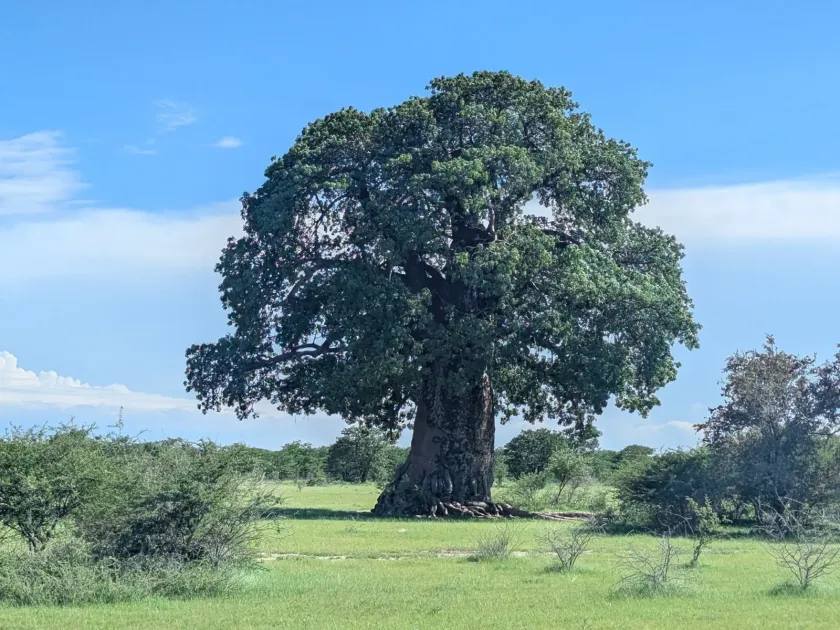
Description
Sowing dates
African baobab is primarily propagated through seeds, which require specific pretreatment due to their hard, impermeable seed coat that restricts natural germination.
To ensure successful sowing, seeds must be scarified using mechanical methods or brief immersion in mild acid, followed by a soaking period of several days in warm water.
The ideal time for planting is the beginning of the rainy season, when ambient temperatures remain consistently above 25 degrees Celsius, promoting rapid seedling emergence.
In commercial agriculture, it is standard practice to raise seedlings in nurseries for one to two years until they are robust enough to be transplanted into the field.
During the nursery phase, deep containers are necessary to accommodate the developing taproot, which is crucial for the tree's future survival in arid environments.
Growing requirements
Adansonia digitata belongs to the Malvaceae family and is a drought-deciduous tree highly adapted to the hot, semi-arid conditions of the African savanna regions.
The plant thrives in a wide range of well-draining soil types, including sandy, loamy, and rocky soils, but it strictly avoids waterlogged conditions that cause root rot.
It requires a distinct dry season for dormancy, during which the tree sheds its foliage to conserve internal moisture stored in its massive, water-retaining trunk.
The African baobab is a heliophilous species, demanding full sun exposure throughout the day; even partial shading during the juvenile stage can drastically stunt its growth.
Climate requirements are strictly tropical, as the species lacks frost tolerance and undergoes severe physiological stress at temperatures below 10-15 degrees Celsius.
Yield
The economic potential of the baobab is immense, as nearly every part of the tree, including fruit, leaves, and bark, serves as a valuable commercial commodity.
The fruit yields a dry, powdery pulp that is recognized globally as a potent superfood, rich in Vitamin C, potassium, magnesium, and essential dietary fibers.
A single mature baobab tree can produce a substantial annual yield of fruits, providing a stable source of income for rural communities and agricultural enterprises.
Leaves are harvested as a nutritious leafy vegetable, providing essential nutrients and proteins, and are frequently consumed fresh or dried as a seasoning or medicinal infusion.
Baobab seeds are processed to extract a high-quality oil used extensively in the cosmetics industry for its moisturizing, anti-aging, and skin-regenerative properties.
Main diseases and pests
While the African baobab is notably resilient, it remains susceptible to several fungal pathogens if planted in soils with poor drainage or during prolonged periods of excessive humidity.
Root rot is the most common threat, often occurring silently and causing irreversible damage to the tree's stability and health before external symptoms become visible.
Insect pests such as aphids, scale insects, and mites can attack young saplings, creating entry points for secondary bacterial or fungal infections that weaken the plant.
Rodents and larger herbivores can damage the succulent bark of younger trees, leading to physical structural weakness and increasing the risk of pathogen penetration.
Integrated pest management strategies focusing on site selection, proper drainage systems, and periodic monitoring are essential for maintaining the health of baobab plantations.
Harvesting
Harvesting the fruit is typically performed once they reach physiological maturity and dry out naturally on the tree branches, which concentrates the pulp nutrients.
Due to the significant height and massive size of mature trees, harvesting often involves manual climbing or using long poles to gently dislodge the heavy fruit pods.
The harvesting of leaves is managed through selective pruning, which not only ensures a sustainable supply but also encourages lateral branching and denser canopy development.
After collection, the fruits are cracked open to extract the pulp and seeds, which are then cleaned, dried, and processed into powders or oils for various industrial uses.
Proper post-harvest storage is critical, requiring cool and low-humidity conditions to prevent moisture re-absorption, which can lead to rapid degradation of the pulp quality.