
Adansonia suarezensis
Adansonia suarezensis H. Perrier
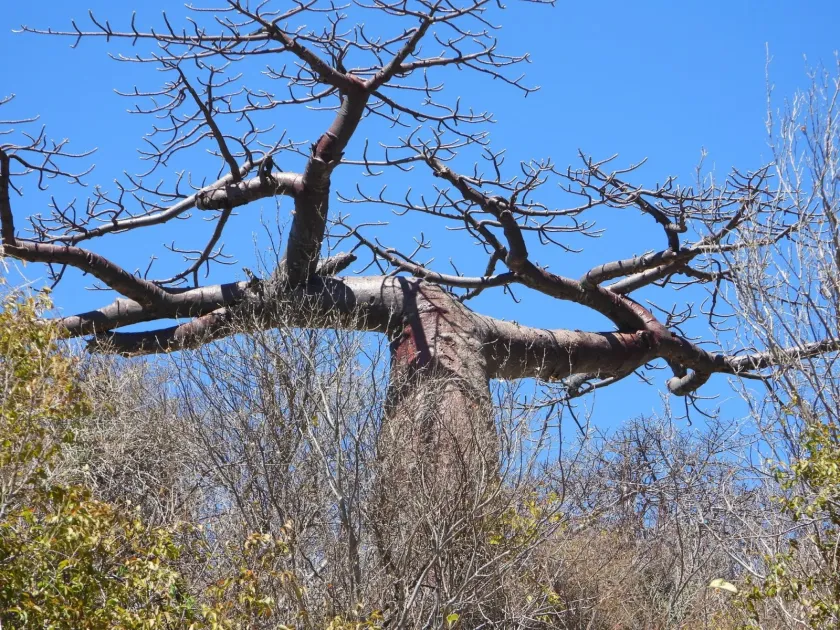
Description
Growing requirements
Adansonia suarezensis is a member of the Malvaceae family. It is a critically endangered species native exclusively to the northern part of Madagascar, specifically in the region of Antsiranana, formerly known as Diego-Suarez.
As a succulent tree, it is specialized for survival in tropical dry forest climates. The tree possesses a massive trunk capable of storing large volumes of water, allowing it to withstand long dry seasons that characterize the Malagasy landscape.
The crop requires well-drained, porous soils to thrive. It naturally grows in areas with calcareous or volcanic substrates where water does not pool, preventing the roots from rotting during occasional high-precipitation periods.
Temperature requirements are strictly tropical, necessitating warm conditions year-round. Adansonia suarezensis cannot survive exposure to frost, and development is fastest when temperatures consistently stay above 25 degrees Celsius.
Botanically, this species is noted for its distinctive tall, tapering trunk and its specific floral structure, which is adapted for pollination by nocturnal animals like fruit bats and hawk moths. The growth rate is generally slow, emphasizing the tree's long lifespan.
Main diseases and pests
The primary threat to Adansonia suarezensis is severe habitat loss. Agriculture and local land clearing are shrinking the limited geographic range of this species, leaving very few mature individuals capable of natural reproduction.
Pathogenic fungi are a significant threat when the tree is grown in environments with improper humidity. Excessive moisture around the root collar can lead to fungal infections and rapid tissue decay in younger, more vulnerable plants.
Pests such as fruit borers and sap-sucking insects can significantly impact the health of the tree by damaging fruits and foliage, which in turn reduces the viability of seeds and the overall vigor of the individual tree.
Competition from invasive plant species in its natural habitat poses a challenge to seedling survival, as these weeds often outcompete young baobabs for nutrients and sunlight during the critical early growth stages.
The limited genetic diversity caused by the small remaining population makes the species highly susceptible to environmental shifts and diseases, necessitating urgent global conservation efforts to protect existing groves.