
Tibetan Roscoea
Roscoea tibetica
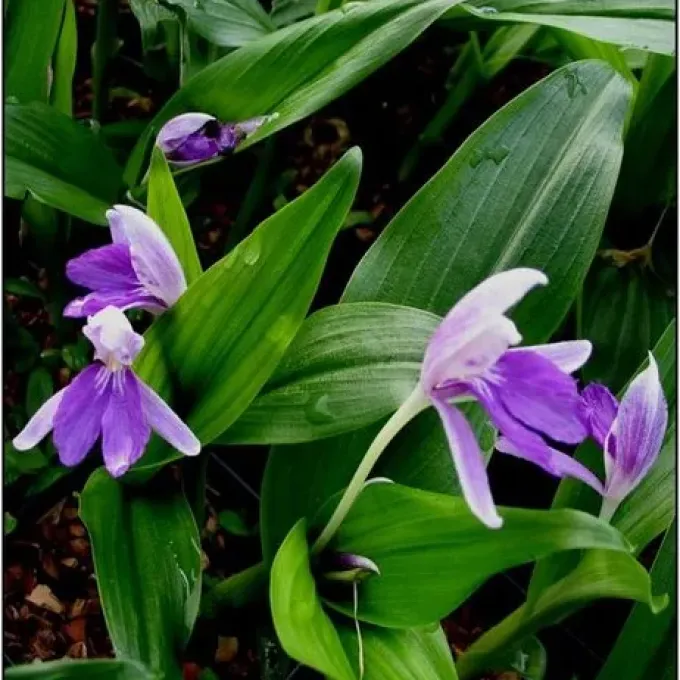
Description
Sowing dates
Planting Tibetan Roscoea is best performed in the spring, once the soil has sufficiently warmed up and the risk of frost has passed. Typically, late April or early May is the ideal window for transplanting or dividing the rhizomes.
To propagate the plant, carefully divide the established clumps. Each division should have at least one or two healthy growth buds to ensure successful establishment in the new location.
When sowing seeds, it is necessary to use a well-draining seed-starting mix. The seeds often require a period of cold stratification before they will germinate, so patience is required during the initial growing stages.
The planting depth should be approximately 10–15 centimeters. Deep planting helps protect the rhizomes from temperature fluctuations and prevents premature drying of the root zone during summer.
Spacing is crucial for the long-term health of the plants. Allowing 20–30 centimeters between each rhizome ensures that the plants have enough resources and airflow to grow without competing for nutrients.
Growing requirements
Tibetan Roscoea is an herbaceous perennial belonging to the Zingiberaceae (Ginger) family. Native to the high-altitude regions of the Himalayas and Tibet, it thrives in cool, alpine-like environments.
The soil requirements are specific: it demands a humus-rich, loose, and highly porous substrate. If the soil is too heavy, incorporating grit, sand, or pine bark will improve drainage, which is vital for the survival of the fleshy rhizomes.
Regarding light, this plant prefers dappled shade. It is not suitable for full sun, as the intense light and heat can scorch the foliage and cause the rhizomes to dehydrate rapidly during the heat of the day.
Moisture management is key; the soil must remain consistently moist throughout the growing season but should never be waterlogged. Proper drainage prevents the stagnant water conditions that lead to root rot.
During the winter, the plant enters a period of dormancy. In colder climates, covering the site with a layer of leaf mold or mulch provides essential insulation against freezing temperatures and keeps the roots protected.
Main diseases and pests
Slugs and snails are the most significant pests for Tibetan Roscoea, as they are attracted to the young, tender shoots in spring. Implementing barriers or using organic baits can help manage these populations effectively.
Fungal rots, specifically those affecting the underground rhizomes, occur predominantly due to poor drainage. If the soil remains saturated for too long, the tissues soften and become susceptible to soil-borne pathogens.
Spider mites can become a nuisance during prolonged periods of hot, dry weather. Regular misting of the surrounding air and inspecting the foliage can mitigate the risk of severe infestations.
Lack of winter protection is a common cause of plant failure. Without adequate mulching, deep frost can penetrate the soil and damage the rhizomes, leading to poor regrowth in the following season.
Inappropriate soil pH or nutrient imbalances can also stress the plant. Keeping the soil slightly acidic to neutral and avoiding excessive synthetic nitrogen fertilizers helps maintain a balanced, healthy growth habit.