
Roscoea hybrids
Roscoea hybrids
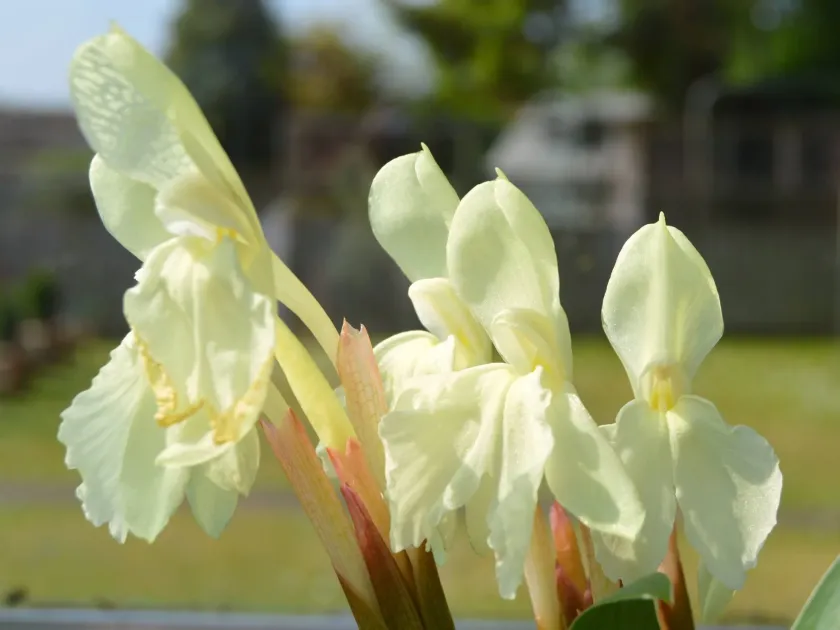
Description
Sowing dates
Roscoea hybrids are typically propagated through the careful division of their tuberous roots during the early spring season as growth begins to emerge.
The rhizomes should be planted at a depth of approximately 10 to 15 centimeters to ensure they remain protected from late spring frosts and soil fluctuations.
Spacing between plants should be sufficient, usually around 20 to 30 centimeters, to allow the clumps to expand over several growing seasons without overcrowding.
When starting from seeds, it is necessary to provide a cold stratification period, and growers should note that it may take up to three years for plants to reach flowering maturity.
Care must be taken during the planting process to avoid bruising the dormant tubers, as they are susceptible to fungal infections if the skin is damaged before planting.
Growing requirements
Roscoea hybrids belong to the Zingiberaceae family, a group of plants known for their unique structure, originating primarily from the Himalayan regions and mountainous areas of China.
These plants thrive in cool, moist, and well-drained soil rich in organic matter, mimicking the forest floor conditions of their native natural habitats.
Light requirements are strict; they prefer dappled shade or partial sun, as intense direct midday light can scorch the foliage and reduce the vigor of the plant.
A consistent moisture regime is essential during the active growing season, but the soil must be free-draining in winter to prevent the tubers from rotting while dormant.
Applying a thick layer of organic mulch in late autumn is a standard agricultural practice that insulates the roots and helps maintain consistent soil moisture throughout the year.
Main diseases and pests
Root rot is the most common threat to Roscoea hybrids, often triggered by waterlogged soil conditions, particularly during the winter months when the plant is inactive.
Slugs and snails are the primary pests that damage the plant, often devouring the tender shoots as they push through the soil surface in the spring.
In humid conditions, foliage may be prone to fungal spots or Botrytis, requiring good air circulation and the removal of any decaying plant debris from the immediate vicinity.
Spider mites can occasionally colonize the plants during hot and dry spells, necessitating regular inspection of the leaf undersides for signs of webbing or discoloration.
Integrated pest management strategies, such as the use of barriers against mollusks and ensuring proper drainage, are the most effective ways to maintain a healthy display of Roscoea.