
Roscoea humeana
Roscoea humeana
Description
Growing requirements
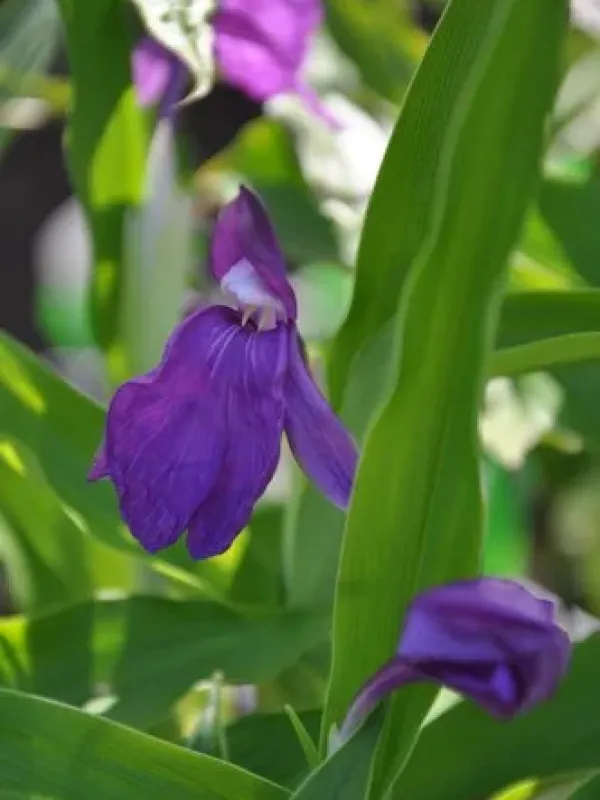
Roscoea humeana is a perennial herbaceous plant belonging to the Zingiberaceae (ginger) family. Native to the mountainous regions of China, particularly in Yunnan and Sichuan, this plant is highly valued for its orchid-like flowers and compact growth habit.
The plant features fleshy, tuberous roots that go dormant during the winter season. The foliage consists of lush, lance-shaped leaves that emerge from the soil in a fan-like arrangement, providing a structural element to the garden border.
To thrive, this culture requires a partially shaded environment. It performs best in woodland-style gardens where it can receive filtered sunlight, mimicking its natural habitat on the edges of forests or alpine meadows.
The soil requirements include high organic content, excellent moisture retention, and superior drainage. A mix of peat, leaf mold, and sand is typically ideal for providing the necessary aeration for the root system to prevent rot.
Regarding climate, it prefers cool, moist conditions during the growing season. In areas with harsh winters, growers often mulch the soil heavily or lift the tubers in autumn to store them in a cool, frost-free location until spring.
Main diseases and pests
The most significant threat to Roscoea humeana is waterlogged soil, which quickly leads to the decay of the tuberous roots, especially in early spring before active growth begins.
Slugs and snails are the most common pests, as they are attracted to the tender emerging foliage during the wet spring months, causing significant cosmetic damage.
Fungal pathogens such as Botrytis can occasionally affect the plant in high humidity and stagnant air conditions, necessitating proper spacing for airflow.
Spider mites may become a problem during hot, dry spells if the ambient humidity is insufficient, leading to mottled and discolored leaves.
Finally, improper winter storage of lifted tubers can result in desiccation or fungal infection if the storage medium is too dry or too damp respectively.