
Roscoea cautleyoides
Roscoea cautleyoides
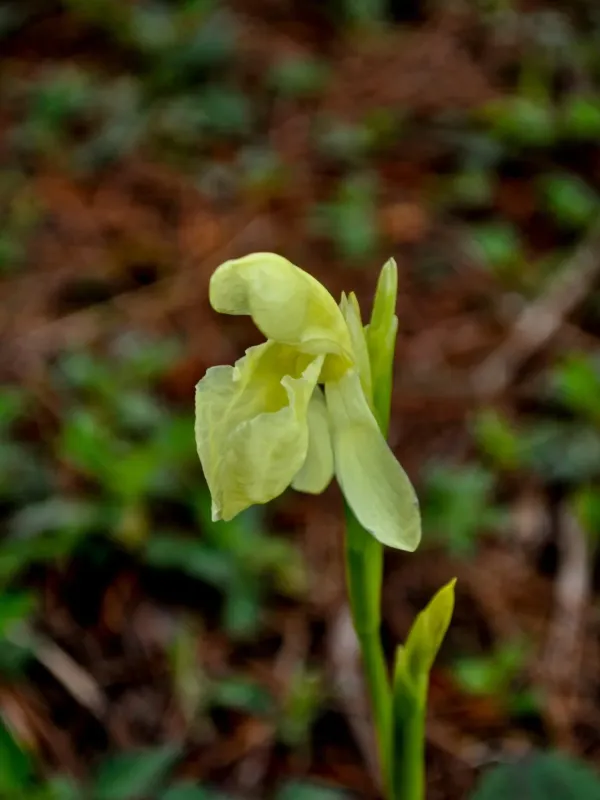
Description
Sowing dates
Roscoea cautleyoides is a perennial tuberous plant belonging to the Zingiberaceae family. Propagation is primarily achieved through the division of mature clumps during the dormant season, which ensures the maintenance of vigorous growth habits.
Seed propagation is also possible but requires a period of cold stratification to break dormancy. Sowing in early spring within controlled environments helps achieve high germination rates for this delicate species.
When planting, tubers should be placed at a depth of approximately 10–15 centimeters. The soil must be loose enough to allow the new shoots to emerge without resistance during the early spring warming period.
Transplanting into the garden should occur once the soil has warmed up, ensuring the plant is not subjected to late-season frosts which can damage emerging foliage.
Space the plants about 25 centimeters apart to allow for adequate airflow between the stems. This prevents the overcrowding that often leads to humidity-related fungal issues in thick clumps.
Growing requirements
Native to the high-altitude mountains of China, this plant thrives in cooler climates. It prefers partial shade, particularly protection from intense afternoon sunlight which can scorch the leaves.
The soil must be well-drained, humus-rich, and slightly acidic to neutral in pH. Avoid clay-heavy soils, as they tend to hold excessive water that causes the fleshy tubers to rot during the dormant stage.
Consistent moisture is critical during the growing season. The plant requires regular watering, especially during dry spells, although the soil should never become waterlogged or swampy.
Applying a layer of organic mulch helps retain soil moisture and stabilizes temperature. This is essential for protecting the root system from the fluctuations of heat and cold typical in many gardening zones.
In colder regions, winter protection is necessary. Covering the planting site with straw or leaf mold protects the subterranean tubers from freezing, ensuring successful regrowth in the following spring.
Main diseases and pests
The primary threats to Roscoea cautleyoides include fungal rots, which often occur when drainage is insufficient. If stems appear mushy at the base, it is usually a sign of excessive moisture.
Slugs and snails are common pests, particularly when new shoots are emerging. Using protective barriers or eco-friendly baits is recommended to preserve the integrity of the foliage.
Viral infections can affect the plants, often signaled by mosaic patterns on the leaves. Infected specimens should be carefully removed and destroyed to prevent further transmission within the garden.
Aphids and spider mites may occasionally infest the plants, especially during prolonged heatwaves. Regular inspection and maintaining optimal humidity levels help keep these pests under control.
Good cultural practices, such as clearing away debris and ensuring excellent drainage, are the most effective ways to minimize the impact of pests and diseases on this specific plant.