
Roscoea auriculata
Roscoea auriculata
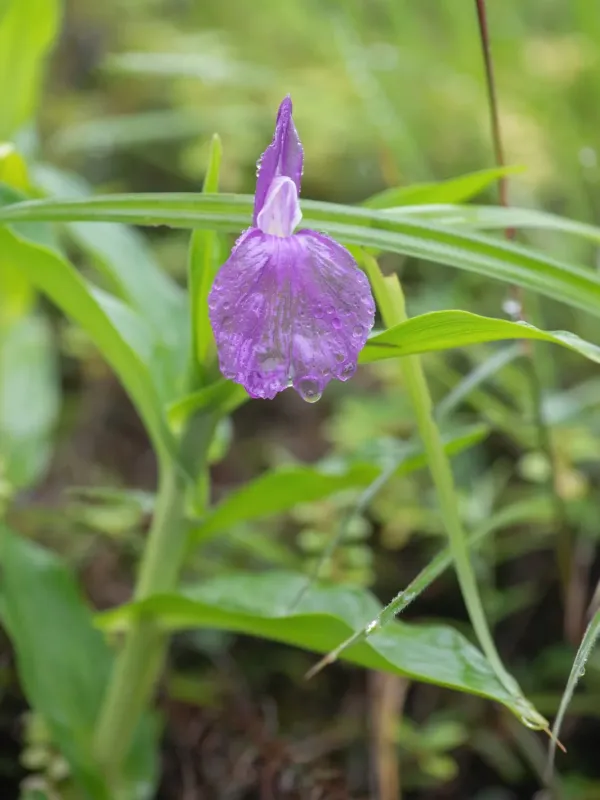
Description
Sowing dates
Roscoea auriculata is a perennial tuberous plant that is best propagated by dividing the rootstocks during the early spring. This is the ideal time to transplant or expand your planting area before the active growth phase begins.
When planting, tubers should be placed at a depth of approximately 10 to 15 centimeters. This depth provides protection from late spring frosts and ensures that the root system develops in a stable temperature environment.
Selecting the right site is crucial for the health of the plant. A location with partial shade is preferred, as this mimics the natural habitat of the species and prevents the leaves from scorching under intense sunlight.
Incorporating organic matter such as leaf mold or well-rotted compost into the planting hole helps establish a nutrient-rich foundation. This encourages vigorous stem growth and prolonged flowering periods throughout the summer.
Maintaining proper spacing, ideally 20 to 30 centimeters between plants, is essential. This prevents overcrowding and allows for sufficient airflow, which is critical for reducing humidity-related issues around the foliage.
Growing requirements
As a member of the Zingiberaceae family, Roscoea auriculata has specific soil preferences. It thrives in fertile, loamy, and well-draining soil that remains consistently moist but not waterlogged.
The ideal soil pH for this species is neutral to slightly acidic. Heavy clay soils should be amended with organic material or grit to improve drainage and prevent the tuberous roots from rotting during dormant periods.
Consistent watering is necessary throughout the growing season, particularly during dry spells. The soil should never completely dry out, as this will lead to stunted growth and reduced floral displays.
Overwintering requires special attention in colder climates. Applying a protective mulch layer of bark, straw, or leaves over the root zone in late autumn shields the tubers from deep freezing and frost heave.
The plant performs best in sheltered locations protected from strong winds. Given its natural affinity for woodland conditions, a cool, moist microclimate is often the key to successful cultivation.
Main diseases and pests
Slugs and snails are the most common pests, often targeting the succulent young shoots emerging in spring. Implementing physical barriers like copper tape or using organic deterrents can protect young growth effectively.
Root rot is the primary physiological threat, usually caused by poor drainage or overwatering. Ensuring the soil has adequate porosity is the most effective preventative measure against fungal infection.
Leaf spot diseases may occur if the foliage remains wet for extended periods in humid conditions. Pruning away damaged leaves and improving airflow around the base of the plant can help curb disease progression.
Aphids can occasionally infest the flower buds and leaves. If discovered, these should be managed with insecticidal soaps or by encouraging natural predators such as ladybugs into the garden ecosystem.
Overall, Roscoea auriculata is a robust plant if its basic requirements for moisture and soil drainage are satisfied. Vigilant monitoring during the early growing stages is the best way to maintain health.