
Torch ginger
Nicolaia
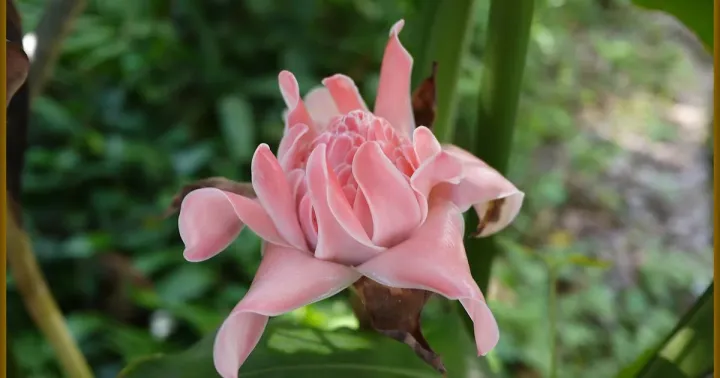
Description
Growing requirements
Torch ginger (Nicolaia elatior) is a prominent member of the Zingiberaceae family, originating from the tropical rainforests of Southeast Asia.
The plant is characterized by its large, showy inflorescences and tall pseudostems, which can reach several meters in height under favorable conditions.
It requires a tropical climate with high humidity and consistent temperatures, avoiding any exposure to frost or prolonged cold snaps.
Optimal growth occurs in deep, well-draining soils that are rich in organic matter, supporting the rapid expansion of the rhizome network.
Shaded or semi-shaded environments are ideal for cultivation, preventing leaf scorching and maintaining the vibrant colors of the flowers.
Yield
The primary commercial value of Nicolaia elatior lies in its cut flowers, which are highly prized globally for their long vase life and exotic appearance.
In addition to decorative use, various parts of the plant are utilized in local culinary traditions, particularly the inflorescence buds used as flavor enhancers.
Yields are maximized through balanced nitrogen-phosphorus-potassium (NPK) feeding programs designed to encourage continuous flowering throughout the growing season.
Sustainable harvesting techniques involve clean cuts at the base of the peduncle to prevent damage to the rhizome and encourage future growth.
Post-harvest management is crucial for the export of these flowers, requiring temperature-controlled storage to maintain freshness during transport.
Main diseases and pests
Fungal pathogens such as Fusarium and Pythium pose a significant threat to root health, especially in soil conditions with poor permeability.
Insect pests, including aphids and thrips, frequently target the developing floral bracts, necessitating integrated pest management (IPM) strategies.
Leaf blight can be a recurring issue during periods of high humidity and restricted airflow, requiring preventive sanitation measures.
Weed control is essential during the establishment phase of the plantation to reduce competition for nutrients and water in the root zone.
Regular inspection and the use of healthy, disease-free nursery stock are the best defenses against the introduction of pests to new fields.