
Kaempferia rotunda
Kaempferia rotunda
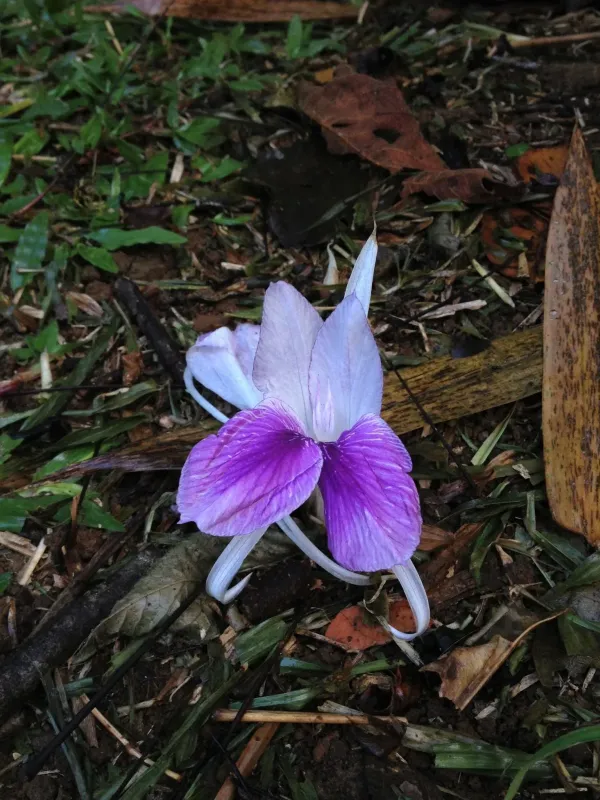
Description
Growing requirements
Kaempferia rotunda, commonly known as peacock ginger, is a perennial herbaceous plant belonging to the Zingiberaceae family. It is native to the tropical regions of India and Southeast Asia.
The plant thrives in a hot and humid tropical climate, requiring temperatures that rarely drop below 20 degrees Celsius. It performs best in well-draining, fertile loamy soils rich in organic matter.
Partial shade is an essential requirement for this culture, as direct sunlight can damage the leaves. Consistent moisture is vital during the growth cycle, although waterlogging must be strictly avoided.
In terms of agricultural management, regular weeding and the addition of compost help maintain soil structure and nutrition. Propagation is typically achieved through the division of rhizomes during the pre-monsoon period.
The plant demonstrates a strong preference for high humidity levels. In non-tropical regions, it is cultivated exclusively in greenhouses or indoor environments to mimic its natural native conditions.
Main diseases and pests
Kaempferia rotunda is relatively robust due to its natural aromatic compounds, yet it remains susceptible to specific pathogens. The most common issues arise from excessive soil moisture, leading to rhizome rot.
Soil-borne nematodes pose a significant threat, as they can cause extensive damage to the root system, ultimately reducing both the vigor and the harvest yield of the plant.
Effective management strategies include the use of disease-free planting material and rigorous soil sanitation. Crop rotation or the use of sterile growing media is recommended for greenhouse cultivation.
Pests like spider mites may infest the foliage, particularly in indoor environments with low airflow. Regular monitoring and misting can help prevent and manage such infestations.
Biological pest control is preferred to maintain the quality of the rhizomes for medicinal or culinary purposes. Fungicides should be handled with caution and only as a final measure.
Harvesting
The harvest of the rhizomes takes place once the plant enters its dormancy phase, indicated by the yellowing and subsequent drying of the aerial parts.
Careful excavation is necessary to preserve the integrity of the rhizomes, which are then cleaned of soil and debris. This process is typically done by hand in traditional settings.
The plant is widely recognized for its applications in traditional medicine and culinary arts. Its rhizomes are valued for their antioxidant and anti-inflammatory properties.
Post-harvest processing involves air-drying the rhizomes in shaded, well-ventilated areas to prevent the loss of volatile essential oils. Drying at low temperatures is crucial.
Once processed, the dried rhizomes are stored in airtight containers to preserve their aroma and active components, ensuring a shelf life of up to two years under proper conditions.