
Kaempferia pulchra
Kaempferia pulchra
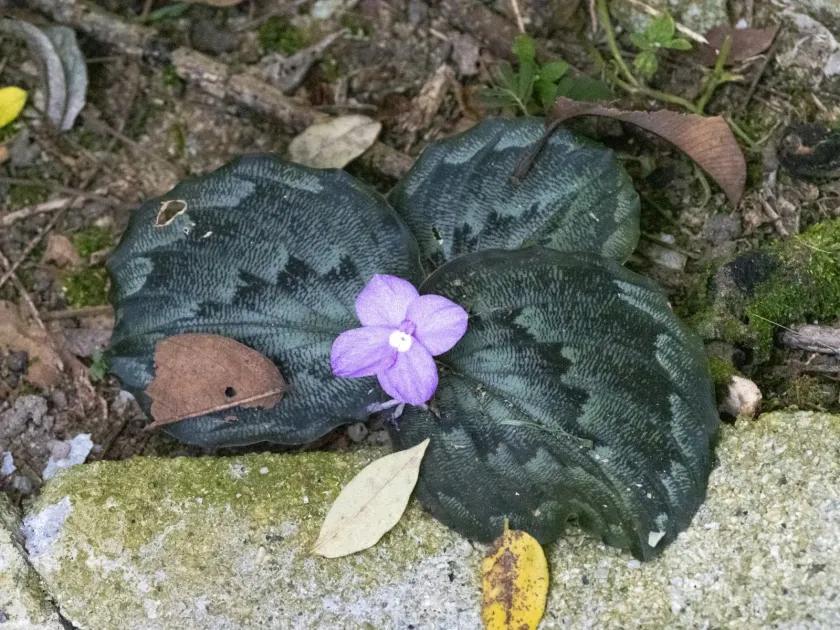
Description
Growing requirements
Kaempferia pulchra, commonly known as a type of peacock ginger, belongs to the Zingiberaceae family. It is a rhizomatous perennial herb native to the tropical forests of Southeast Asia, thriving in shaded and humid environments.
The plant is prized for its broad, low-growing leaves that display complex, attractive venation patterns. It produces small, delicate flowers, although the primary horticultural value lies in its ornate foliage which adds texture to tropical garden designs or indoor collections.
For optimal growth, the species requires a well-draining, nutrient-rich potting medium. A mix containing peat, perlite, and organic compost is generally recommended to maintain moisture while allowing sufficient aeration for the sensitive rhizomes.
The climate requirements are strict: the plant prefers warm temperatures between 20°C and 28°C. It is frost-tender and will enter a dormant state if temperatures drop significantly or if day length decreases, at which point watering should be reduced.
Light management is crucial; Kaempferia pulchra performs best under filtered light or partial shade. Direct sunlight can scorch the leaves, leading to irreversible damage to the aesthetic quality of the foliage.
Main diseases and pests
The primary threats include fungal infections like Pythium root rot, which typically occurs due to waterlogged soil or poor drainage. Proper irrigation management is the most effective preventative measure against these pathogens.
Common pests include spider mites and mealybugs, which thrive in indoor environments with low humidity. Regular misting of the foliage and proper ventilation help to deter these pests and maintain plant health.