
Kaempferia galanga
Kaempferia galanga
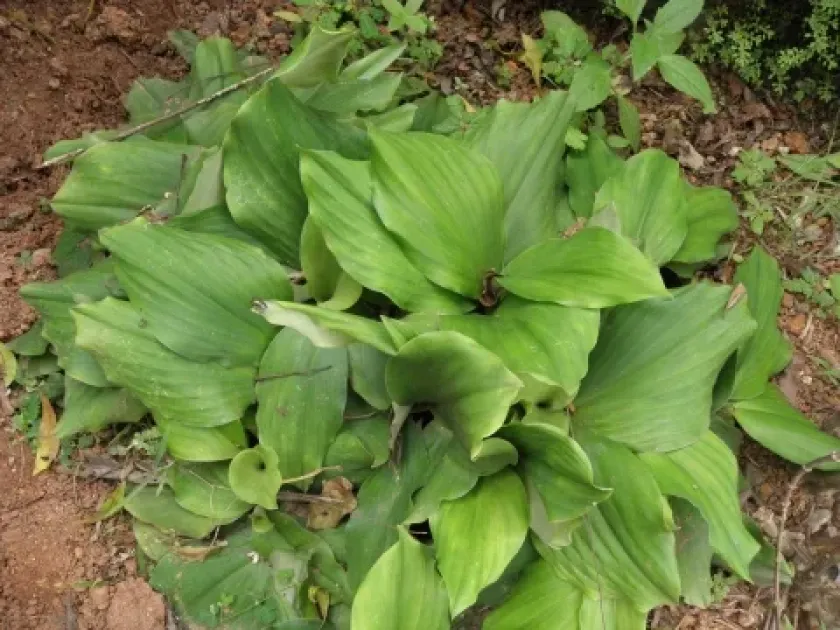
Description
Sowing dates
Propagation of Kaempferia galanga is primarily achieved through vegetative means by dividing mature rhizomes. This method ensures the preservation of desirable characteristics and is the most reliable way to establish a new plantation in tropical climates.
Planting typically commences at the onset of the rainy season, allowing the plants to utilize natural moisture for rapid root development. Rhizomes are planted at a depth of 5 to 8 centimeters, which provides enough protection from heat while allowing sprouts to emerge easily.
Careful selection of disease-free rhizome sections with viable buds is crucial for a successful crop. Pre-planting treatment with mild fungicides or organic biostimulants is highly recommended to protect the sensitive young rhizomes from soil-borne pathogens.
Spacing is adjusted according to soil fertility and cultivation goals, usually ensuring enough room for canopy development. Proper planning at this stage minimizes competition between plants and facilitates easier weed management during the growth cycle.
Once planted, mulching with organic material is encouraged to maintain consistent soil temperature and moisture levels. Rapid sprouting usually occurs within a few weeks, provided that temperature conditions remain within the optimal range for the species.
Growing requirements
Kaempferia galanga is a member of the Zingiberaceae family and thrives in tropical environments. It requires well-draining, loose, and friable soils, ideally with a high organic matter content to support healthy rhizome expansion.
The plant performs best in slightly acidic soil (pH 5.5 to 6.5). Waterlogged conditions must be avoided at all costs, as they lead to root rot and significant yield losses. Improving soil structure in heavier clay areas with sand and compost is essential for long-term viability.
Temperature requirements are strictly tropical, with an ideal range between 25 and 30 degrees Celsius. While it requires light, intense midday sun can cause leaf scorching, so the plant often benefits from dappled light or partial shade in agricultural settings.
Consistent moisture is key during the growing season. Irrigation must be managed to provide steady hydration without saturating the root zone. In regions with long dry seasons, supplementary irrigation becomes a necessity to prevent dormancy or plant stress.
High relative humidity is beneficial for this crop, mirroring its natural forest floor habitat. Providing an environment that mimics these conditions is the secret to high-quality spice production and the accumulation of essential oils.
Yield
Yield in Kaempferia galanga is determined by a combination of soil fertility, planting material quality, and environmental management. The rhizomes are the harvested product, accumulating aromatic compounds over an 8 to 10-month vegetative cycle.
Typical yields under professional management range from 5 to 12 tonnes per hectare. Achieving these figures requires careful attention to weed control and the application of balanced organic fertilizers that support root bulk rather than excessive foliage growth.
Strategic nutrient management, focusing on phosphorus and potassium, helps in the development of robust rhizomes. Nitrogen should be used judiciously, as excess levels can lead to succulent growth that is more susceptible to disease and pest pressure.
Yield potential is also heavily influenced by the density of the planting and the health of the mother stock. Healthy plants with deep root systems are better equipped to withstand environmental fluctuations and produce high-quality harvests.
Harvesting at the peak of maturity ensures the best balance between rhizome size and essential oil concentration. Monitoring the plant's senescence phase is essential to identify the optimal harvest window for maximum economic returns.
Main diseases and pests
The most significant threats to Kaempferia galanga include soil-borne fungal pathogens such as Pythium and Fusarium species. These diseases are most active in poorly drained soils and during periods of excessive rainfall.
Root-knot nematodes can also pose a serious risk by causing galling on the roots, which stunts plant growth and reduces marketability. Crop rotation with non-host species and the use of solarized or sterilized soil can mitigate these risks effectively.
Foliar pests like aphids or leaf-eating insects may appear during the growing season. Integrated pest management (IPM) practices, including regular scouting and the use of botanical insecticides, are preferred to maintain the quality of the spice.
Proper field sanitation, including the removal of infected plant debris, is vital to prevent the spread of diseases. Ensuring good aeration between rows also helps keep foliage dry and reduces the incidence of powdery mildew.
Preventative care through healthy soil management and cautious watering remains the most effective defense. Once symptoms appear, immediate isolation of the affected area is necessary to keep the infection from spreading to the rest of the plantation.
Harvesting
Harvesting is triggered by the natural yellowing and drying of the plant's foliage. This process signifies that the plant has ceased active growth and that the rhizomes have reached their full aromatic and storage potential.
Manual digging is preferred to ensure that the rhizomes remain intact, as mechanical damage can lead to rapid post-harvest spoilage. Workers use forks or specialized tools to gently lift the rhizomes from the soil, avoiding unnecessary cuts.
After excavation, the rhizomes are cleaned of soil and debris, typically by gentle washing in clean water. Careful handling during cleaning is essential, as the skin of the rhizome protects the internal essential oils that give it its signature scent.
Drying is a critical step that must be performed in shaded, well-ventilated areas or in low-temperature dehydrators. Excessive heat during drying can lead to the loss of volatile oils, thereby reducing the quality and value of the final product.
Once dried to the correct moisture content, the rhizomes are sorted and stored in cool, dry conditions. Proper storage prevents rehydration and fungal growth, ensuring that the spice maintains its potency for long-distance transport and market sale.