
Kaempferia elegans
Kaempferia elegans
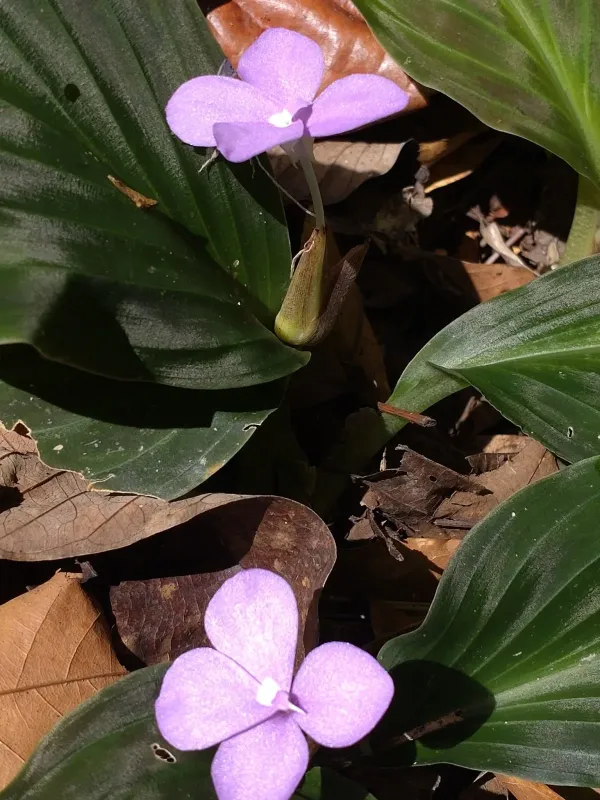
Description
Growing requirements
Kaempferia elegans is a herbaceous perennial belonging to the Zingiberaceae (ginger) family. Native to the tropical forest floors of Southeast Asia, this plant is valued for both its ornamental foliage and its aromatic medicinal properties.
The crop thrives in warm, humid conditions with temperatures consistently between 22 and 28 degrees Celsius. As a shade-loving species, it requires protection from direct sunlight, which can easily damage its broad, delicate leaves through scorching.
Cultivation requires a well-draining, nutrient-dense substrate that mimics a forest floor environment. Incorporating leaf mold or compost with perlite ensures the roots receive adequate aeration while maintaining the necessary level of moisture.
During the growing season, consistent moisture is vital for the development of healthy rhizomes. However, the plant enters a dormant phase in colder months, during which irrigation must be significantly reduced to prevent rotting.
Beyond its ornamental appeal, the rhizomes of Kaempferia elegans are harvested for their essential oils. These compounds are utilized in local traditional medicine and as ingredients in high-end cosmetic formulations due to their soothing properties.
Main diseases and pests
The most significant threat to this crop is fungal rot, specifically targeting the rhizome system if the soil remains waterlogged. Ensuring proper drainage and avoiding overwintering in cold, damp soil is the primary management strategy.
Pest management focuses on controlling spider mites and mealybugs, which thrive in indoor environments with poor ventilation. Regular misting and maintaining proper air circulation are key methods for preventing severe infestations.