
Globba schomburgkii
Globba schomburgkii
Description
Growing requirements
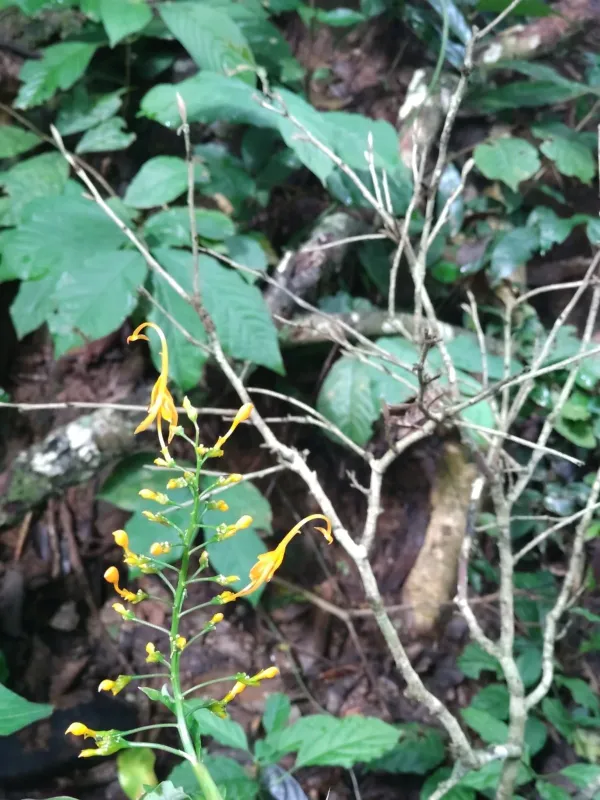
Globba schomburgkii, commonly known as a type of dancing ginger, is an herbaceous perennial belonging to the Zingiberaceae family. Native to the tropical rainforests of Southeast Asia, this plant thrives in humid, shaded environments and is prized for its unique, drooping flower spikes.
The plant requires high ambient humidity and steady temperatures between 22 and 28 degrees Celsius for optimal growth. It is strictly a greenhouse or indoor ornamental plant in temperate regions, as it cannot survive freezing temperatures and will go into dormancy during cooler seasons.
Soil requirements focus on high organic content and excellent drainage. A mix of peat, bark, and perlite is recommended to prevent waterlogging, which is detrimental to the plant's delicate rhizomatous root system. The pH should be slightly acidic to neutral for best results.
Lighting should be bright but indirect. Exposure to direct sunlight can severely damage the foliage, leading to yellowing or brown necrotic spots. Placing the plant in a position that mimics the dappled light of the forest floor is the ideal approach for successful cultivation.
Cultural practices include consistent watering during the growing season, ensuring the soil remains moist but never saturated. Once the foliage dies back in the autumn, the rhizomes should be kept barely moist to encourage a healthy dormancy period before new growth starts in the spring.
Main diseases and pests
Spider mites are the most common pest for Globba schomburgkii, particularly in low-humidity environments. Regularly misting the plant or using a humidifier can significantly reduce the risk of infestation, while systemic acaricides can be used for acute cases.
Root rot, caused by fungal pathogens such as Pythium or Rhizoctonia, is the primary threat to the longevity of the plant. It is almost exclusively caused by overwatering or poor drainage, which allows the rhizomes to remain in stagnant water.
Mealybugs can also infest the plant, hiding in the leaf axils or near the base of the stems. Manual removal with a cotton swab dipped in alcohol is effective for small colonies, whereas severe infestations may require the application of horticultural oils or insecticides.
Bacterial leaf spot can occur when water is left on the foliage for extended periods in environments with poor air circulation. Ensuring the plant has access to fresh air will help prevent moisture from lingering on the surface of the leaves, limiting the spread of pathogens.
Maintaining a clean growing environment is essential. Removing dead leaves and debris from the pot surface reduces the habitat for pests and limits the source of fungal spores that can compromise the health of the ginger plant.