
Globba parviflora
Globba parviflora
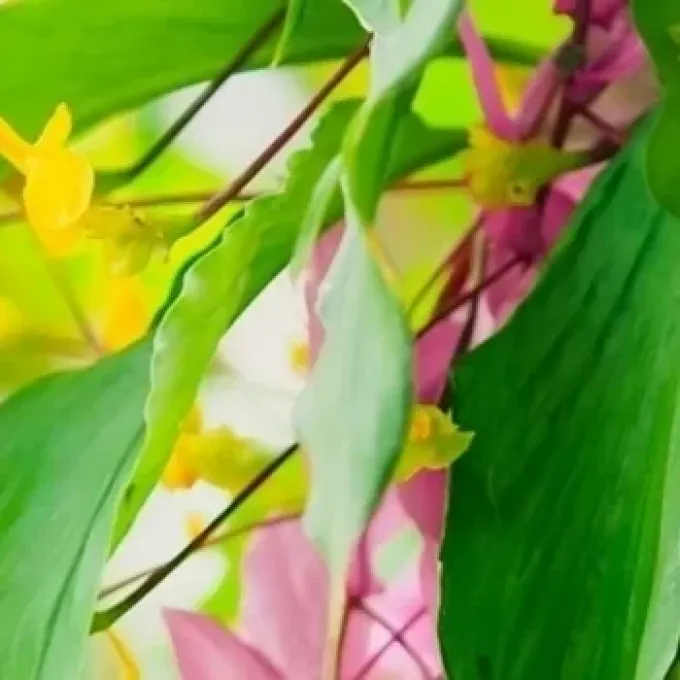
Description
Growing requirements
Globba parviflora belongs to the Zingiberaceae family and is a rhizomatous perennial plant native to the tropical regions of Southeast Asia. It is valued for its delicate, orchid-like inflorescences that provide high aesthetic appeal in specialized horticultural settings.
This species requires high humidity levels and a consistently warm environment to thrive. It performs best in temperatures between 22 and 28 degrees Celsius and is highly intolerant of cold drafts or temperatures dropping below the range required for tropical survival.
The ideal growing medium should be a loose, well-draining potting mix rich in organic matter. Proper aeration of the roots is crucial to prevent the rhizomes from decaying, necessitating the use of containers with drainage holes and a porous substrate composition.
Light requirements are specific: the plant demands bright, indirect light to maintain its vibrant green foliage and bloom production. Exposure to harsh, direct sunlight will quickly cause the leaves to scorch, significantly reducing the plant's health and visual quality.
Agricultural management involves regular watering during the active growth phase, followed by a necessary dry rest period after the foliage dies back. During the dormant stage, the rhizomes should be kept in a cool, dry place to prevent premature sprouting or rot.
Main diseases and pests
Common pests affecting Globba parviflora include spider mites and mealybugs, which thrive in indoor environments with low airflow. Regular monitoring of the foliage, especially the undersides of leaves, is essential to mitigate infestations before they spread.
The primary pathological threats are fungal infections, such as root rot, which are almost exclusively caused by overwatering or compacted, waterlogged soil. Maintaining a strict balance of moisture and ensuring good ventilation are the best defenses against these threats.