
Curcuma elata
Curcuma elata
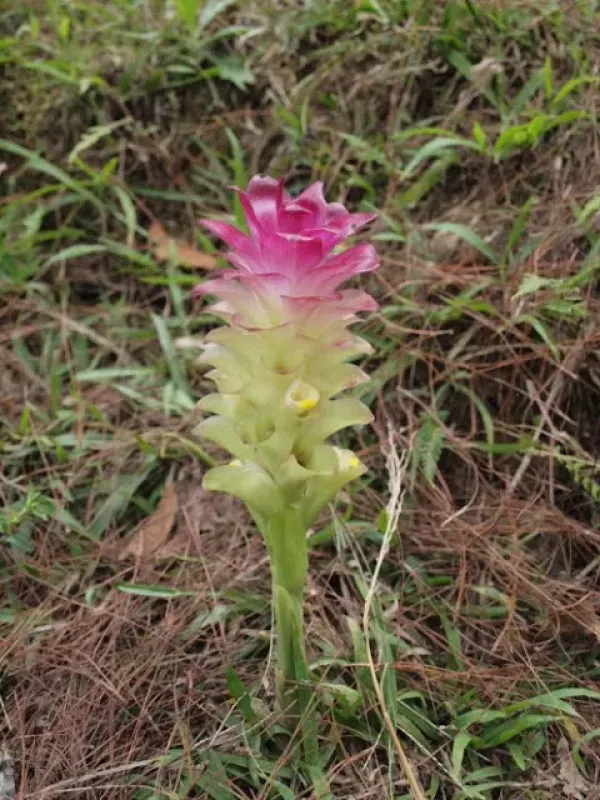
Description
Growing requirements
Curcuma elata is a perennial herbaceous plant belonging to the Zingiberaceae family. This species is native to the tropical regions of Southeast Asia, thriving in environments characterized by high humidity, warm temperatures, and partial shade provided by forest canopies.
The plant is distinguished by its substantial rhizomes and tall stems, which can reach heights of up to 1.5 meters. Its foliage is lush and lanceolate, providing a significant ornamental value to landscapes and glasshouses even when the plant is not in its active flowering phase.
To cultivate Curcuma elata successfully, an ambient temperature range of 22 to 28 degrees Celsius must be maintained. The species is highly sensitive to frost and cold drafts, making it primarily suited for greenhouse cultivation in temperate climate zones.
The soil profile must be loose, well-draining, and rich in organic matter to mimic the natural forest floor conditions. A mixture of peat, humus, and coarse sand is ideal for promoting healthy rhizome development while preventing moisture-related rot.
Consistent moisture is required throughout the active growing season, but irrigation practices must be adjusted during the dormant period. Once the foliage begins to wither, water application should be significantly reduced to allow the rhizomes to safely overwinter.
Main diseases and pests
Root rot is the most prevalent pathological issue for Curcuma elata, typically arising from poor soil drainage or excessive stagnant water. Ensuring a proper drainage layer in containers is essential for maintaining plant health.
Pest pressures often include spider mites and mealybugs, which are particularly problematic in environments with low humidity. These pests can rapidly infest the undersides of leaves, requiring regular monitoring and integrated pest management strategies.
Disease management involves the use of systemic fungicides when symptoms appear, paired with strict environmental control. Cleanliness in the greenhouse environment and the removal of decaying plant matter are critical preventive measures against fungal pathogens.
Biological controls can be implemented for sustainable management of pest populations. Ensuring adequate airflow around the plants helps to mitigate the spread of both airborne spores and insect infestations in closed cultivation environments.
Resilience in Curcuma elata is largely dependent on proper cultural practices. By providing consistent environmental conditions and avoiding mechanical injury to the rhizomes during maintenance, growers can effectively minimize the risk of infection.
Harvesting
The harvest of Curcuma elata rhizomes is conducted once the foliage has completely senesced and dried. This biological signal indicates that the plant has stored maximum energy reserves within the underground rhizome structures.
Rhizomes are carefully excavated to avoid mechanical damage, which can serve as an entry point for pathogens. After harvesting, they are cleaned of excess soil and allowed to cure in a well-ventilated, shaded environment to ensure longevity.
The harvested rhizomes are typically utilized in the cosmetic and pharmaceutical industries, or separated for propagation purposes. High-quality rhizomes are selected based on their size, firmness, and the presence of healthy growth buds.
Storage requires cool, dry conditions with temperatures around 10-12 degrees Celsius. Proper storage prevents premature sprouting and desiccation, ensuring that the material remains viable until the next planting season begins.
Division of the rhizome clumps is performed during the pre-planting phase. By breaking the clumps into sections containing at least one vigorous bud, producers can ensure consistent crop yields and maintain the health of the stock population.