
Curcuma angustifolia
Curcuma angustifolia
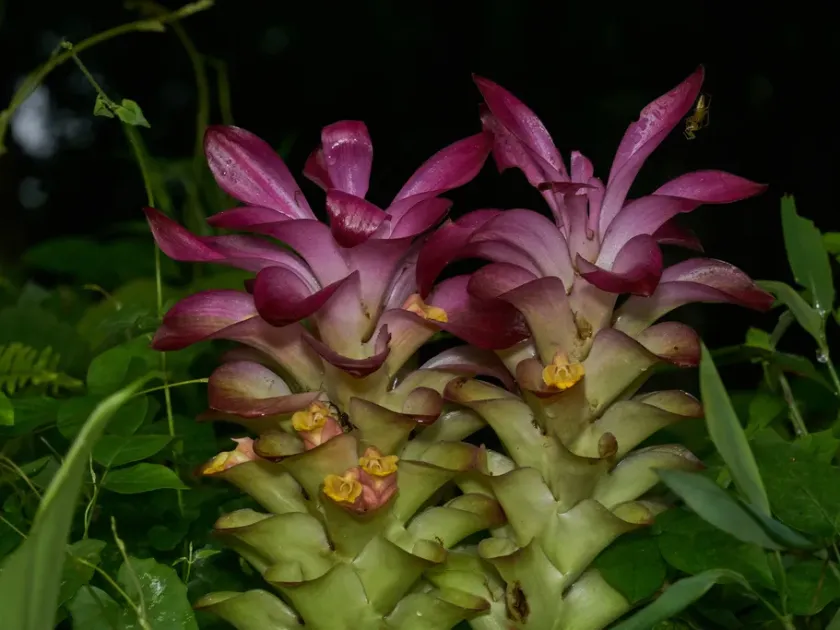
Description
Sowing dates
The cultivation of Curcuma angustifolia is primarily conducted through vegetative propagation, using rhizome cuttings that contain viable vegetative buds. The optimal time for planting is just before the onset of the rainy season when soil temperatures remain consistently high.
In large-scale agricultural production, it is crucial to follow planting patterns that ensure sufficient space for each plant. Typically, rhizomes are planted in rows or raised beds with an spacing of 40 to 50 centimeters, which facilitates essential maintenance activities.
The planting depth should range between 5 and 10 centimeters, depending on the soil texture. Proper depth is essential to ensure a steady emergence of sprouts and to prevent the rhizomes from overheating or drying out in the top layer of the substrate.
This crop belongs to the Zingiberaceae family and is a herbaceous perennial. Its growth cycle is naturally adapted to the alternation of rainy and dry seasons, which is a key factor that farmers must account for when planning the agricultural calendar.
Before planting, the soil must be well-prepared, enriched with organic matter, and possess excellent drainage properties. A loose, aerated substrate is vital for rapid rooting and the subsequent development of high-quality rhizomes.
Growing requirements
Curcuma angustifolia requires a warm and tropical climate for optimal development. The plant flourishes in temperatures ranging from 25°C to 32°C, necessitating the use of protected structures if grown in cooler or temperate environmental conditions.
Water management is critical, as the crop requires consistent moisture but is highly sensitive to waterlogging. Excessive soil moisture often leads to root rot, which can significantly damage or entirely destroy the crop before harvest.
The ideal soil for this species is a fertile, well-drained loam or sandy loam. High organic content and a slightly acidic to neutral pH level promote vigorous growth and healthy development of the underground storage organs.
Moderate shade is often beneficial for Curcuma angustifolia, especially in regions with intense sunlight. Providing partial shade prevents leaf scorching and maintains a more favorable microclimate for the plants during the peak of the growing season.
Nutrient supply should be managed through phased application of fertilizers. A balanced approach focusing on nitrogen during the early foliage development stage and increasing phosphorus and potassium levels during rhizome formation significantly boosts yield.
Main diseases and pests
Root rot, often caused by fungal pathogens such as Pythium or Fusarium, is the primary threat to this crop. These diseases thrive in poorly drained soils and during periods of excessive rainfall, making water management the most important preventive measure.
Various pests, including nematodes and rhizome-boring insect larvae, represent significant risks to the commercial viability of the crop. They physically damage the rhizomes, leading to rot and rendering the produce unsalable in the market.
Integrated pest management is recommended, starting with the selection of disease-free rhizomes and strict adherence to crop rotation cycles. Avoiding monoculture in fields prone to soil-borne pathogens can drastically reduce the incidence of infestation.
Leaf-feeding insects may cause indirect damage by reducing the photosynthetic area of the plants. While minor infestations are rarely lethal, they can weaken the plant and limit the accumulation of starch and other metabolites in the rhizomes.
Regular field monitoring is essential to detect early symptoms of disease or pest activity. Early intervention with authorized bio-pesticides or fungicides can prevent localized issues from spreading throughout the entire plantation.
Harvesting
Harvesting commences when the foliage of the plant begins to yellow and wither. This physiological stage indicates that the plant has completed its cycle and redirected all accumulated nutrients and starch into the rhizomes for dormancy.
The extraction of rhizomes must be performed with care to prevent bruising or mechanical wounding. Any physical damage to the rhizomes serves as an entry point for microorganisms, which leads to post-harvest decay during storage.
Once harvested, the rhizomes must be thoroughly cleaned of soil and debris. It is crucial to shield the fresh produce from direct sunlight to preserve its volatile oils and prevent dehydration, which can degrade the final quality of the product.
The sorting process is vital for quality control, where the best-formed rhizomes are separated for market, and the smaller or damaged ones are redirected for further processing or future planting material use.
Storage requires cool, dry, and well-ventilated environments. Curcuma angustifolia is highly valued for its starch content and unique chemical profile, so maintaining stable storage conditions is paramount to ensuring its longevity and commercial value.