
Hanging lobster claw
Heliconia rostrata
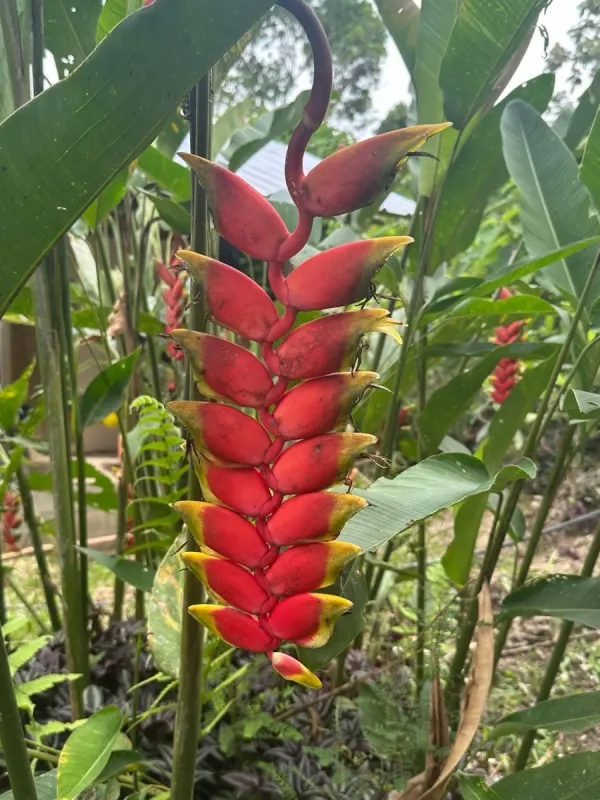
Description
Sowing dates
Cultivating Heliconia rostrata from seed requires thorough scarification of the hard outer coat to enhance germination rates. Sowing is best performed in early spring to capitalize on the increasing photoperiod.
Seeds should be planted in a loose, sterile substrate at a depth of approximately 1 cm. A consistent soil temperature between +25°C and +30°C is essential for successful germination and early development.
Commercial production heavily relies on vegetative propagation through rhizome division. This method ensures that the progeny maintain the desirable traits of the mother plant, providing consistent quality for the market.
Rhizome segments are planted in well-drained beds or containers, requiring careful moisture management to prevent rot. Protecting young plants from direct, harsh sunlight during the initial establishment phase is crucial for success.
Proper spacing during the planting phase is necessary to ensure adequate airflow and light penetration once the plants begin to mature, preventing the development of microclimates that encourage pathogens.
Growing requirements
Heliconia rostrata, belonging to the Heliconiaceae family, originates from the tropical rainforests of Central and South America. It requires a high-humidity environment, ideally maintained at 70-80% relative humidity.
The ideal growing medium is a fertile, well-draining soil with an acidic pH between 5.5 and 6.5. A mixture of peat, leaf compost, and coarse sand provides the perfect balance for root aeration and moisture retention.
High levels of bright, indirect sunlight are required for healthy growth. In greenhouse settings, supplemental lighting may be necessary during winter months to maintain consistent flower production and plant vigor.
Temperatures should be strictly managed, ideally between +22°C and +28°C. The plant is highly sensitive to cold; exposure to temperatures below +15°C can cause significant stress, metabolic decline, and potential plant death.
Watering should be consistent, keeping the soil moist but never waterlogged. Efficient drainage systems are mandatory to avoid root suffocation and the development of waterborne fungal infections in the root zone.
Yield
The primary economic focus for Heliconia rostrata is the cut flower industry. The unique, pendulous inflorescences provide high commercial value and are highly sought after for premium floral arrangements.
Productivity is contingent upon optimal greenhouse climate control and the maturity of the rhizome clumps. Well-managed plantations can produce a continuous yield of flower spikes throughout the year.
The inflorescences are recognized for their excellent longevity as cut flowers, often lasting 3 to 4 weeks in a vase. This durability makes them an ideal commodity for international shipping and export markets.
Regular potassium-rich fertilizer applications are essential for improving the color intensity and structural integrity of the bracts. Nutritional monitoring ensures that the plants remain productive over multiple seasons.
Periodic renewal of the root stocks is necessary, as older plants eventually exhibit reduced flower production. Splitting and replanting ensures the continued profitability of the cultivation area.
Main diseases and pests
The most prevalent pests affecting Heliconia rostrata include spider mites and mealybugs, which thrive in the warm, humid conditions of indoor cultivation. Constant monitoring is necessary to prevent infestations.
Poor ventilation often leads to outbreaks of fungal diseases, such as leaf spot and root rot. Maintaining an active airflow and managing humidity levels are key preventative measures for any professional grower.
Management of pest populations involves the application of systemic insecticides. Integrated pest management strategies, including the use of beneficial insects, can also be effective in controlled environments.
Bacterial pathogens often enter the plant through pruning wounds. Sterilizing all cutting tools between plants is a mandatory practice to prevent the rapid spread of infections across the plantation.
Prompt removal of infected tissue is critical to controlling outbreaks. Once disease symptoms appear, the affected area must be isolated, and the immediate environment should be treated with appropriate fungicide applications.