
Drosera tentaculata
Drosera tentaculata
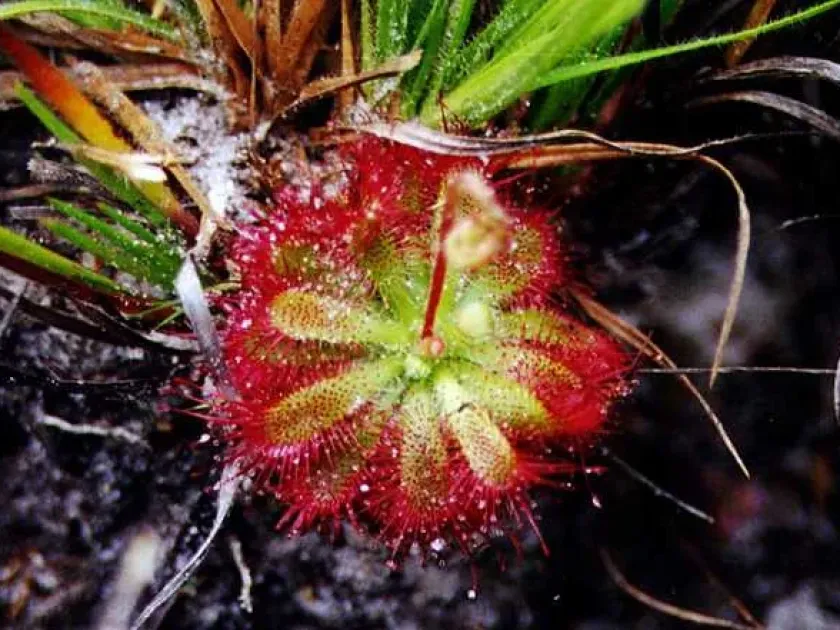
Description
Sowing dates
Drosera tentaculata is a fascinating member of the Droseraceae family, known for its distinctive flat rosette and sensitive glandular tentacles. Originating from the sandy, nutrient-poor soils of the Brazilian cerrado, this species is highly specialized.
Cultivation begins with the sowing of seeds on a substrate of nutrient-poor peat and perlite. The seeds require light to germinate, so they should be sown on the surface and pressed slightly into the damp substrate.
Maintaining high humidity and a stable temperature around 25 degrees Celsius is essential for germination. Growers typically utilize sealed containers or humidity domes to ensure the environment remains consistent during the initial development phases.
Seedlings develop slowly, requiring a gentle transition from high-humidity environments to more open, well-ventilated areas. The substrate must be kept consistently moist using high-purity distilled or reverse osmosis water throughout this process.
Biologically, the plant utilizes its sticky tentacles to trap insects, which is a necessary adaptation to compensate for the lack of available soil nutrients. This predatory behavior replaces the need for traditional root-based soil fertilization.
Growing requirements
Proper environmental requirements are critical for the health of Drosera tentaculata. This plant demands intense light levels, ideally full spectrum or direct sunlight, to maintain its vibrant color and effective digestive function.
The potting medium must be strictly acidic and mineral-free. A mixture of horticultural peat and coarse sand is the industry standard for creating the necessary drainage while maintaining constant moisture content.
Temperature control is vital for survival, as the species thrives in warm tropical conditions. Protecting the plant from frost and extreme temperature fluctuations is mandatory for consistent annual growth cycles.
High relative humidity, ideally kept between 65 and 80 percent, ensures that the tentacles remain coated in sticky mucilage. If the air is too dry, the glands stop functioning, significantly weakening the plant.
Watering should be performed exclusively via the tray method. Keeping the pot sitting in a shallow layer of distilled water ensures consistent moisture levels without compacting the sensitive root system.
Main diseases and pests
Fungal pathogens such as Botrytis represent the primary threat to indoor populations. These infections thrive in stagnant air, making consistent horizontal airflow a key preventative measure for healthy growth.
Pests like mealybugs and spider mites are known to infest the center of the rosette. Treating these pests requires caution, as the glandular leaves are susceptible to chemical burn from common horticultural insecticides.
Nutrient toxicity is a common cause of failure in agricultural settings. Any exposure to standard fertilizers will cause rapid leaf necrosis, as the roots are evolved to thrive in environments entirely devoid of minerals.
Light deprivation results in etiolation and the loss of predatory capability. If the plant loses its sticky secretion, it can no longer supplement its nutritional needs, leading to a slow decline in vigor.
Mineral buildup in the substrate caused by low-quality water is a major long-term risk. Over time, salt accumulation will kill the root hairs, necessitating periodic flushing with pure water to preserve the substrate pH.