
Dionaea
Dionaea
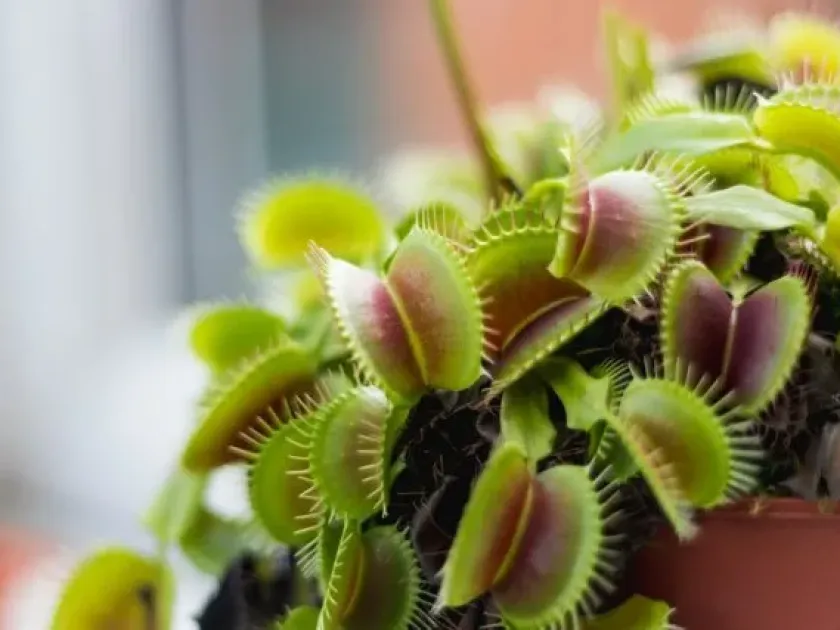
Description
Sowing dates
Sowing Dionaea seeds should be performed in late winter to early spring to ensure the seedlings have a long growing season to establish themselves.
Seeds must undergo a cold stratification process at temperatures between 4 and 6 degrees Celsius for four to six weeks to break dormancy.
The planting medium must be nutrient-free, typically consisting of a mixture of long-fiber sphagnum peat moss and perlite or silica sand.
Seeds should be sown on the surface of the moist substrate and not buried, as they require light for optimal germination conditions.
Maintain high humidity levels by covering the seed tray with a clear dome or plastic wrap, placing it in a bright location away from direct scorching sun.
Growing requirements
Dionaea is a monotypic genus in the Droseraceae family, native to the subtropical wetlands of North and South Carolina in the United States.
Irrigation must be performed exclusively with distilled, deionized, or reverse osmosis water, as tap water minerals will lead to rapid root toxicity.
Full spectrum sunlight is essential for the plant's health; a minimum of six to eight hours of direct sunlight per day is required for robust growth.
The soil should be kept constantly moist but not waterlogged, mimicking the boggy conditions of its native habitat without allowing salt buildup.
Dormancy is a physiological necessity; during winter months, the plant requires reduced temperatures to prepare for the subsequent spring growth cycle.
Main diseases and pests
Botrytis, or gray mold, is the most common fungal issue, often exacerbated by stagnant air and excessive surface moisture on the traps.
Pests like aphids and spider mites can infest the traps; they should be treated with insecticidal soap carefully to avoid damaging the sensitive foliage.
Root rot occurs if the soil is contaminated with fertilizers or tap water minerals, which burn the delicate root hairs and prevent nutrient uptake.
Improper drainage in the pot can lead to anaerobic conditions in the substrate, which creates an ideal environment for pathogenic fungi development.
Excessive humidity during the winter dormancy period can lead to crown rot, significantly decreasing the chances of the plant surviving until the spring.