
Oblong-leaved sundew
Drosera intermedia
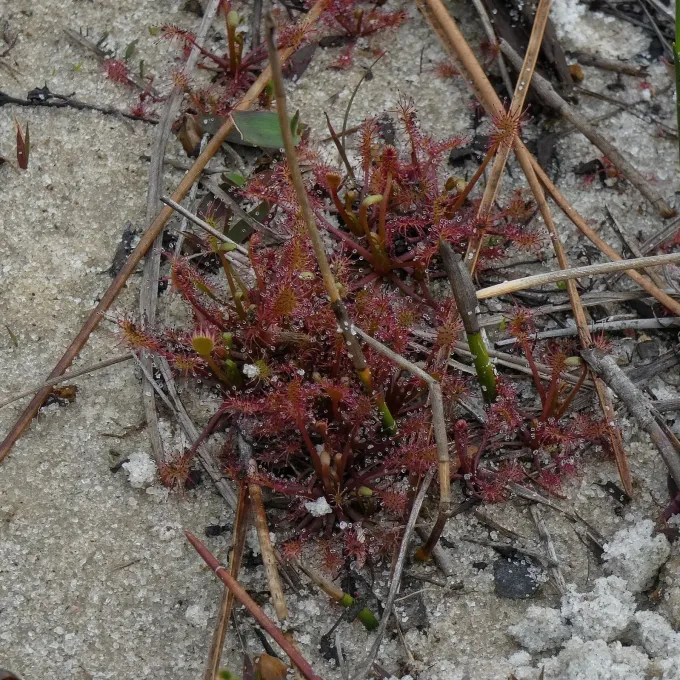
Description
Sowing dates
Drosera intermedia is a perennial herbaceous plant belonging to the Droseraceae family. In agricultural and horticultural practices, propagation is primarily conducted through seeds, which require careful preparation to ensure high germination rates.
Seeds should be sown in late winter. A crucial step is cold stratification, where seeds are kept in low temperatures for several weeks, mimicking the natural winter cycle of their bog habitats to break dormancy.
The seeds are sown on the surface of a wet, acidic peat moss substrate. They require light to germinate; therefore, they should never be covered with soil. The containers must be kept in a high-humidity environment to prevent the surface from drying out.
Once seedlings emerge, they should be kept in a stable climate with consistent moisture. Proper spacing is essential to ensure that each seedling receives enough light and airflow to grow healthily without competing for space.
For commercial production, vegetative propagation through leaf cuttings is sometimes employed, allowing growers to produce genetically identical, robust plants that mature faster than those grown from seeds.
Growing requirements
The cultivation of this species requires a specialized substrate consisting primarily of sphagnum peat moss. The medium must be nutrient-poor, as the plant naturally derives necessary minerals by capturing insects, making traditional fertilizers toxic to its system.
Water quality is of paramount importance. The plant must be watered using only distilled, rain, or reverse osmosis water. Minerals found in tap water are fatal to the plant, as they build up in the peat and alter the chemical balance of the root zone.
Drosera intermedia thrives in high-light conditions. Whether grown outdoors in bog gardens or indoors under artificial lighting, the plant needs significant intensity to produce its characteristic sticky dew that traps insects.
Consistent moisture is required at all times. In a controlled setting, it is recommended to keep the pots sitting in trays filled with water, creating a perpetual swamp-like condition that supports the plant's delicate root system.
Temperature management is also vital. While the plant tolerates summer heat well, it benefits from a cooler dormant period during the winter, which helps it preserve energy and ensures vigorous growth when the warmer season resumes.
Main diseases and pests
Fungal diseases, particularly gray mold, pose a significant risk when air circulation is inadequate. Maintaining a gentle airflow around the plants is the most effective preventative measure against such outbreaks.
Aphids are a common pest that targets the tender leaves of the sundew. They can severely impair the plant's ability to catch prey, necessitating the use of targeted, mild pesticides or manual removal if the infestation is caught early.
Spider mites represent another danger, especially in environments where humidity levels fluctuate significantly. These pests can cause the leaves to lose their stickiness and eventually turn brown and die.
Root rot is often the result of using stagnant, low-quality water or a compacted substrate. Using fresh, high-quality sphagnum and strictly following water quality guidelines is essential to prevent root damage.
The growth of moss and algae on the surface of the growing medium can compete with young seedlings for resources. Growers should regularly monitor the surface and remove any invasive plant life to ensure the sundews have adequate room to thrive.