
Drosera cistiflora
Drosera cistiflora
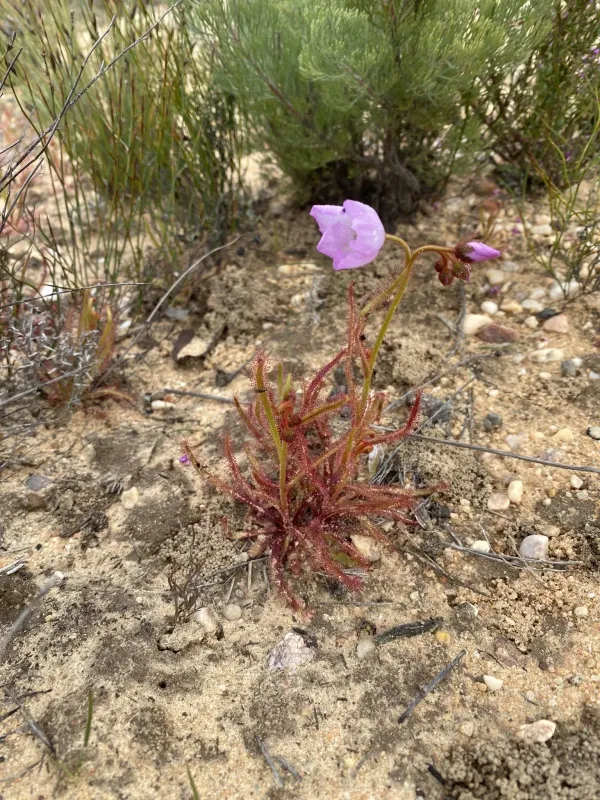
Description
Sowing dates
Drosera cistiflora is a perennial herbaceous plant belonging to the Droseraceae family. Propagation is primarily achieved through seeds, which require specific triggers to break dormancy and germinate successfully.
Seeds should be sown on the surface of a damp, nutrient-poor substrate. Light is crucial for germination, so seeds must remain uncovered and exposed to bright, indirect light throughout the process.
Maintaining high humidity is essential for the survival of the seedlings. Using a sealed container or a propagator during the initial weeks creates the necessary microclimate for delicate new growth.
Stratification can improve germination rates, as the seeds often require a period of cool temperatures to mimic the natural changes in the environment of their native habitat.
Once seedlings develop their first true leaves, they should be carefully transplanted into individual pots, ensuring the substrate remains consistently moist but never waterlogged to prevent root decay.
Growing requirements
Native to South Africa, this species is adapted to a Mediterranean-like climate characterized by wet winters and dry summers. It thrives in poor, sandy, or clay soils that are acidic.
Bright, direct sunlight is vital for the plant to maintain its carnivorous vigor and produce the sticky mucilage on its glandular tentacles. Inadequate light results in weak, spindly growth.
Only use distilled water, rainwater, or reverse osmosis water. The plant is extremely sensitive to minerals, salts, and chemicals found in tap water, which can quickly lead to systemic poisoning.
The substrate must be devoid of standard fertilizers. A typical mix includes peat moss combined with silica sand or perlite to ensure proper drainage while holding sufficient moisture for the root system.
Good ventilation is necessary to prevent fungal outbreaks, especially if humidity levels are kept consistently high to mimic the plant's natural growing conditions during its active phase.
Yield
Drosera cistiflora is cultivated primarily for its ornamental value. It is highly prized by collectors for its unusually large and colorful flowers, which distinguish it from many other sundew species.
There is no traditional yield measurement in agriculture; rather, success is defined by the health of the plants and the production of viable seeds for future propagation within hobbyist circles.
Seed production requires hand pollination in a controlled indoor environment, as the natural insect pollinators that visit the plant in its native habitat are absent in standard greenhouse settings.
The economic potential lies in the niche market for rare botanical species. Professional nurseries focus on providing high-quality, pest-free specimens to enthusiasts and botanical gardens.
Research into the plant's digestive enzymes remains a niche scientific activity, as the unique biochemistry of its trap mechanism offers insights into protein-degrading processes.
Main diseases and pests
Fungal pathogens represent the most significant threat to Drosera cistiflora in cultivation. These usually emerge when the air is stagnant or when humidity is too high relative to the temperature.
Pests like aphids and mealybugs can cause severe damage. They thrive on the plant's nutrients and can deform the developing leaves, severely reducing the plant's ability to catch prey.
Because the plant is sensitive to chemicals, standard agricultural pesticides are often too harsh and can kill the specimen. Integrated pest management is preferred over chemical interventions.
Physical removal of pests using a soft brush or water spray is the safest method for dealing with infestations, provided the plant is healthy enough to withstand the stress of handling.
Preventive care involves strict hygiene, such as removing dead leaf tissue and ensuring constant air circulation, which reduces the risk of pathogens establishing themselves on the plant surface.