
Cape sundew
Drosera capensis
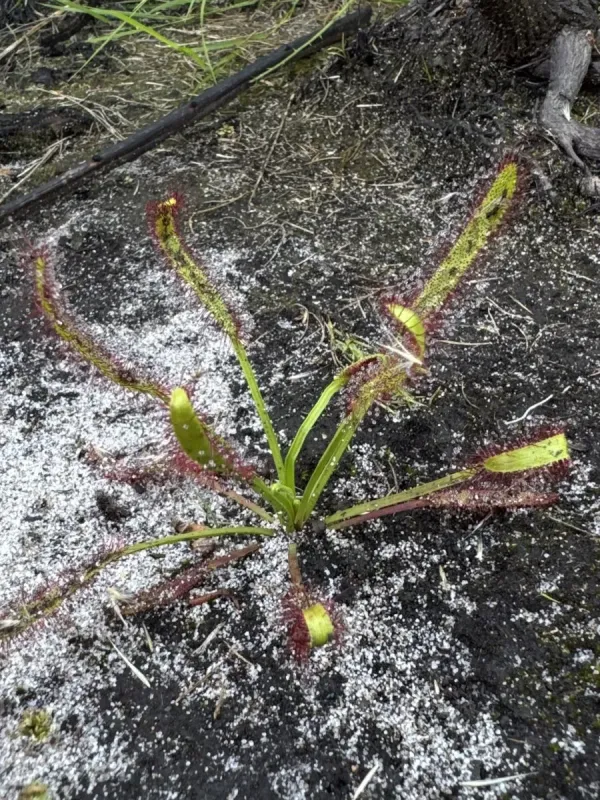
Description
Sowing dates
Cape sundew (Drosera capensis) belongs to the Droseraceae family. Cultivating this plant is usually initiated by sowing seeds, which maintain high viability for long periods if stored correctly.
The optimal time for sowing is during the spring when daylight hours increase, ensuring that young plants receive sufficient solar radiation for healthy development.
Seeds should be distributed over the surface of a moist substrate without being buried, as they require light to germinate effectively. The containers are then covered with plastic or glass to maintain high air humidity.
Germination typically takes between two to four weeks when temperatures are kept between 20 and 25 degrees Celsius. Initial seedlings appear as tiny green dots that require extremely gentle watering.
Once the seedlings develop several true leaves, they can be transplanted into individual pots or left to mature in the original tray, gradually hardening them off by removing the humidity cover.
Growing requirements
The soil composition is critical for plant health. Cape sundew cannot tolerate standard garden soil because it is too nutrient-rich and contains minerals that are lethal to the roots of this carnivorous plant.
An ideal substrate consists of high-quality acidic sphagnum peat mixed with perlite in a 1:1 or 2:1 ratio. Fertilizers are strictly forbidden, as the plant obtains all its necessary minerals from the insects it captures.
Watering must be done exclusively with distilled, rain, or reverse osmosis water. Impurities in tap water will lead to the rapid decline and death of the plant's sensitive root system.
The plant thrives in high light conditions. If light levels are insufficient, the leaves lose their characteristic bright red coloration on the glandular tentacles, and the traps cease to produce the sticky mucilage needed for hunting.
Temperatures should be kept moderately warm during the summer. While the plant can tolerate slight temperature drops in winter, it is relatively heat-loving compared to other species in the Drosera genus.
Main diseases and pests
The greatest danger to the Cape sundew is the use of poor-quality water for irrigation. Salt buildup in the substrate causes the leaves to darken and die back, starting from the tips.
Common pests include aphids and mealybugs. These insects feed on the sap of young leaves, causing deformations and inhibiting the plant's ability to develop effective sticky traps.
Fungal diseases, such as gray mold, often arise when there is stagnant air and excessive moisture, particularly during the colder months. Regular ventilation is the best preventative measure.
If an infestation occurs, insecticides should be used with extreme caution. It is advisable to use products with low concentrations of active ingredients to avoid damaging the sensitive plant tissue.
Improper substrate moisture can trigger root rot. The medium should always remain damp, but it must not be saturated to the point where the roots are deprived of oxygen.