
Drosera burmannii
Drosera burmannii
Description
Growing requirements
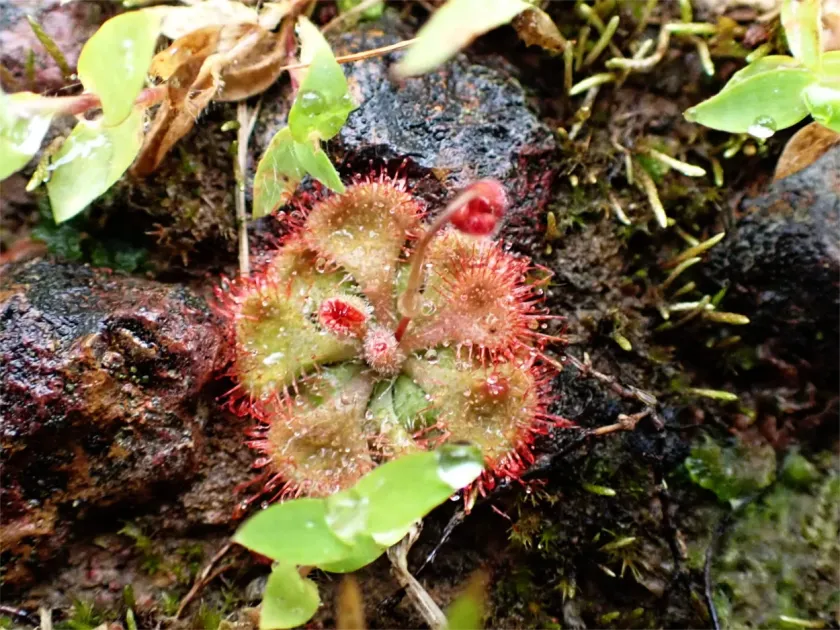
Drosera burmannii is a remarkable species of carnivorous plant belonging to the Droseraceae family. It is widely recognized for its rapid movement and ability to digest insects, making it a prized specimen for enthusiasts of exotic flora.
Native to tropical regions of Asia and Australia, this plant thrives in environments that are typically waterlogged and nutrient-poor. In a controlled cultivation setting, it requires specific conditions to mimic these natural bog-like habitats.
The growing medium must be strictly devoid of nutrients. A standard horticultural mix consists of peat moss and perlite in a 1:1 ratio. It is essential to ensure that the peat is free from added fertilizers or lime, as these can be fatal to the plant.
Hydration is managed through the tray method, keeping the pot sitting in a shallow amount of distilled or rainwater. Tap water should never be used, as the dissolved minerals and salts will accumulate in the soil and burn the roots of the plant.
High light intensity is crucial for the development of its signature red tentacles and the production of mucilage. Growers often utilize specialized grow lights to ensure the plant receives adequate photon flux density throughout its active growth period.
Main diseases and pests
Fungal infections, particularly gray mold (Botrytis), pose a significant threat to the plant's health, especially in conditions with poor airflow. Maintaining good ventilation is the primary preventative measure against such outbreaks.
Pests such as aphids and mealybugs can infest the plant, potentially compromising its ability to capture prey. Manual removal or the application of safe, non-toxic horticultural sprays is recommended for pest control.
Root rot often occurs if the substrate remains too compacted or if the water quality is poor. Ensuring the substrate is fluffy and well-draining, combined with the use of pure water, will mitigate this common issue.
Insufficient light levels result in a weakened plant that becomes pale and loses its stickiness. Without the ability to produce digestive enzymes efficiently, the plant may slowly starve and become susceptible to secondary pathogens.
Exposure to temperatures outside of the tropical range can shock the plant. It is vital to keep the environment stable, avoiding cold drafts that might disrupt the plant's metabolic processes and overall vitality.