
Drosera binata
Drosera binata
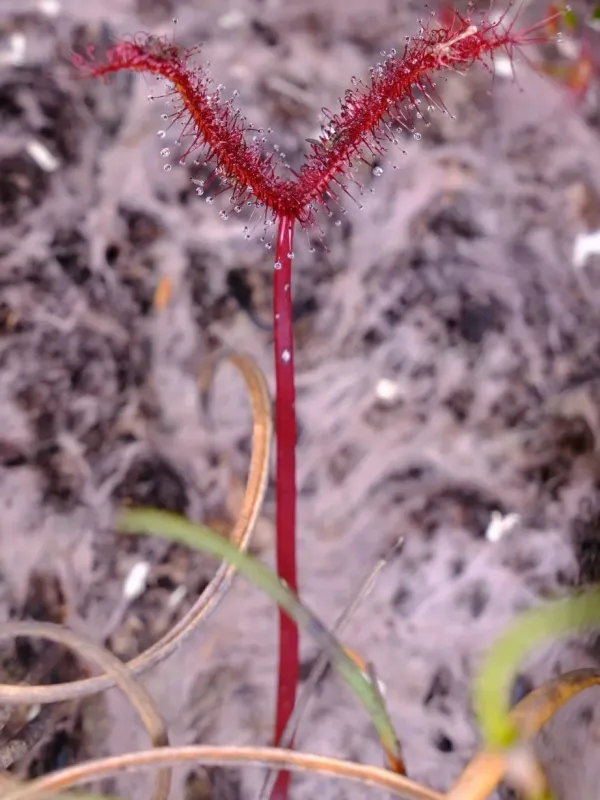
Description
Sowing dates
Sowing Drosera binata seeds is typically done in late winter or early spring to maximize the growth potential during the peak season. The seeds benefit from a stratification process, requiring about one month in cold temperatures before they are ready for planting.
The surface sowing method is mandatory, as the seeds require light to germinate and should not be buried under the substrate. Pots should be covered with plastic wrap or glass to create a high-humidity environment essential for seedling development.
Germination usually occurs within three to six weeks when temperatures are maintained between 20 and 25 degrees Celsius. It is crucial to keep the substrate consistently damp, as any dry spells during the germination phase can be fatal to young plants.
Seedlings should be repotted individually once they have developed three to four true leaves. Care must be taken to minimize root disturbance, as Drosera binata is sensitive to transplanting and prefers a gentle shift into a larger container.
Vegetative propagation via root cuttings or leaf pullings can be performed throughout the growing season. Providing consistent high humidity and bright, indirect light is key to ensuring successful rooting and subsequent plant growth.
Growing requirements
Drosera binata thrives in a nutrient-poor medium consisting of a blend of sphagnum peat moss and perlite in a 1:1 ratio. Conventional garden soil and chemical fertilizers are strictly forbidden as they will burn the roots and kill the plant.
Bright, intense light is required for the plant to develop its characteristic sticky, dew-covered leaves. Supplemental lighting via LEDs or fluorescent tubes is recommended for indoor cultivation to achieve the necessary 12–14 hour light cycle.
Watering must be strictly carried out using the tray method with distilled, reverse osmosis, or rainwater. Tap water contains minerals that accumulate in the substrate and quickly damage the plant's delicate root system.
The ideal temperature for active growth ranges from 18 to 28 degrees Celsius. During the winter months, the plant may enter dormancy, during which it is beneficial to lower the temperature slightly to 10–15 degrees Celsius to sustain health.
High humidity levels of 60–80 percent are vital for the proper production of digestive enzymes and adhesive secretions. Using a terrarium or a dedicated enclosure helps maintain a stable microclimate for these carnivorous specimens.
Main diseases and pests
Grey mold is a significant threat to Drosera binata, particularly in conditions with poor air circulation and excessive moisture. Affected areas should be removed immediately, and the plant should be moved to a more ventilated area to prevent spread.
Root rot is often a result of using non-sterile media or contaminated water. This condition manifests as rapid browning and wilting of the foliage, and if left untreated, it leads to the total decay of the crown and root system.
Aphids are frequent pests that infest the sticky leaves, extracting plant juices and hindering the sundew's ability to trap prey. They should be managed using mild systemic insecticides that do not interfere with the plant's sticky mucilage.
Mealybugs often hide in the leaf junctions, weakening the plant by feeding on its vascular sap. Manual removal combined with a spot-treatment using a mild alcohol-based solution is generally effective for controlling small infestations.
Spider mites can become an issue if the ambient humidity is allowed to drop significantly. Maintaining high humidity levels and regular misting of the surrounding environment acts as a strong deterrent against these troublesome arachnids.