
Drosera beleziana
Drosera beleziana
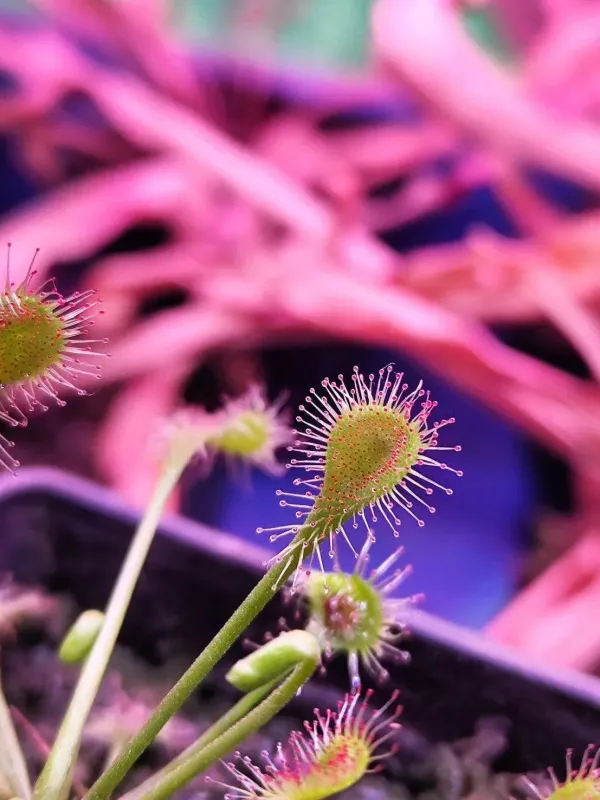
Description
Growing requirements
Drosera beleziana is a fascinating species belonging to the Droseraceae family. As a specialized carnivorous plant, it thrives in nutrient-poor environments, making it a unique candidate for controlled cultivation in bog-like conditions.
The substrate is the most critical element for success. It must be a mixture of peat moss and perlite, ensuring it remains acidic and free from minerals. Never add traditional fertilizers, as they are toxic to the plant's sensitive root structure.
Light intensity is essential for the plant to exhibit its signature glandular tentacles. High-intensity light helps the plant produce the sticky mucilage required to trap prey effectively. If light levels are too low, the plant will become spindly and stop producing its digestive enzymes.
Water quality is paramount for Drosera beleziana. Only distilled water, reverse osmosis water, or rainwater should be used. Using tap water can cause a build-up of minerals that will quickly kill the plant by changing the soil's chemistry.
The plants should be kept in a tray of water to ensure constant moisture. This mimics their natural habitat and prevents the soil from drying out, which is lethal for this species. Maintain a warm temperature, ideally between 18 and 28 degrees Celsius.
Main diseases and pests
The primary threat to Drosera beleziana is fungal infection, particularly Botrytis, often triggered by poor air circulation. Ensuring the environment has a gentle airflow can significantly reduce the risk of mold growth on the leaves.
Pests like mealybugs can pose a severe threat, hiding in the crown of the plant. Because the plant is sensitive to chemicals, mechanical removal or very mild, organic-approved treatments are the safest options to consider.
Aphids are another common problem that can target the flowering stalks of the sundew. They suck the sap from the plant, which can weaken it significantly and stunt its growth during the peak growing season.
Root rot is a persistent threat if the substrate remains waterlogged without any oxygen movement. Changing the growing medium annually ensures that the soil remains aerated and healthy for the roots to develop properly.
Spider mites are a nuisance in low-humidity conditions. Maintaining proper ambient humidity around the plant without covering the leaves in excess moisture helps keep these pests at bay and ensures healthy growth.