
Climbing spiderwort
Tradescantia volubilis
Description
Growing requirements
Climbing spiderwort (Tradescantia volubilis) is a member of the Commelinaceae family. This species is native to the tropical regions of South America, adapting to humid and shaded environments.
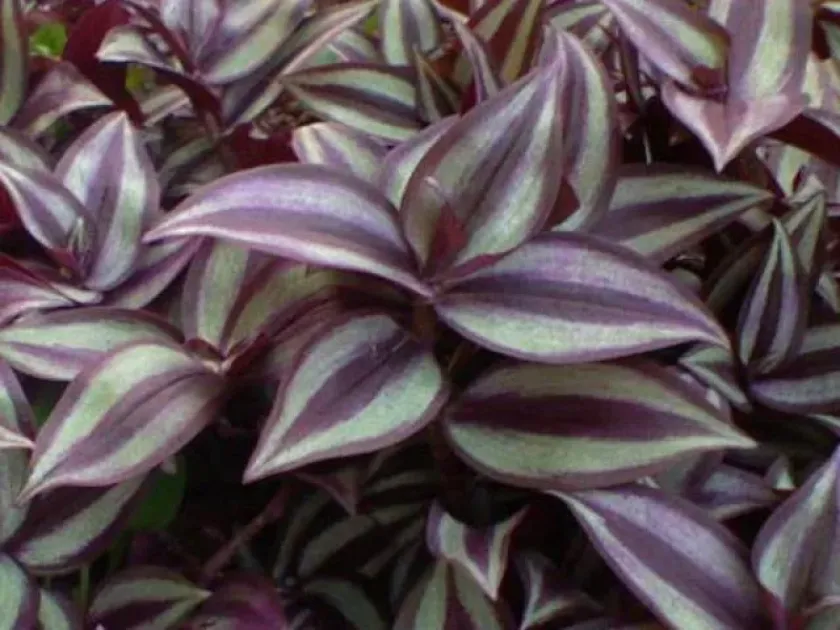
Botanically, it is characterized by its vining growth habit and lanceolate leaves that often feature fine hairs, serving as an adaptation to retain surface moisture in its native habitat.
The crop requires bright, indirect light to maintain its structural integrity and vibrant leaf coloration. Exposure to intense, direct midday sunlight should be avoided to prevent foliar damage.
Soil requirements involve a well-draining, nutrient-rich potting medium. A mix of peat, bark, and perlite provides the necessary aeration for root health and prevents water stagnation.
Standard agrotechnical practices include maintaining a consistent soil moisture level and providing balanced fertilization throughout the growing season to ensure robust vegetative development.
Main diseases and pests
The primary pests affecting this species are spider mites and aphids, which thrive in environments where air humidity is chronically low or ventilation is poor.
Root rot, frequently caused by Pythium and Phytophthora species, is the most significant pathological threat resulting from over-irrigation or inadequate drainage systems.
Effective management requires integrated pest management (IPM) strategies, including the use of horticultural oils for pest control and strict adherence to moisture control protocols.
Sanitation practices, such as removing senescent plant material and disinfecting pruning tools, are essential to preventing the spread of fungal pathogens within a cultivation site.
Providing adequate spacing between individual plants improves airflow, which significantly reduces the humidity-related stress that often precedes disease outbreaks in greenhouse settings.