
Purple Heart
Tradescantia pallida
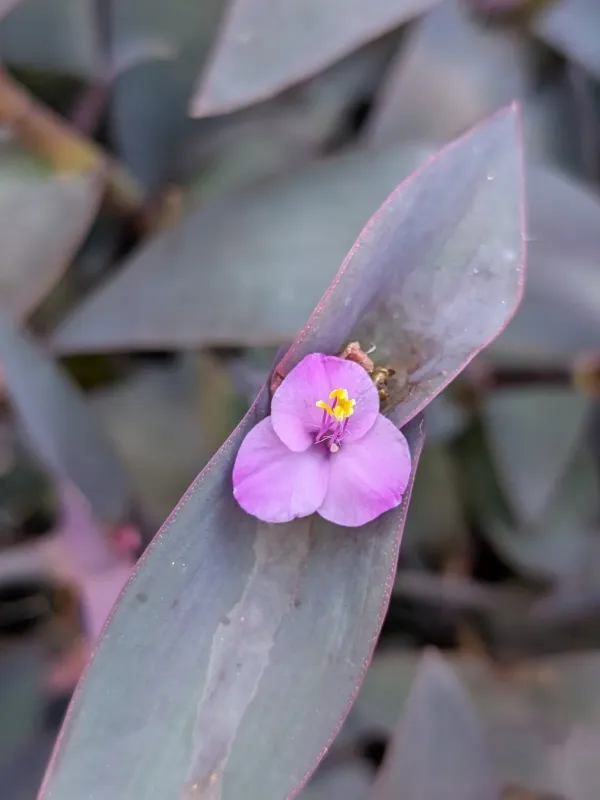
Description
Sowing dates
The propagation of Tradescantia pallida is performed primarily through stem cuttings, as this method is the most reliable and efficient way to ensure the plant's true genetic characteristics. The best time for propagation is during the active growth period, typically in spring or early summer.
Cuttings should be approximately 10–15 cm long with lower leaves removed. This preparation facilitates easier rooting in the growing medium. Maintaining a soil temperature of around +20°C promotes rapid root development.
While rooting can occur in water, direct planting into a light, porous soil mix often results in stronger initial root systems. The plant exhibits high regenerative capacity, often rooting successfully within two weeks under stable conditions.
For outdoor planting, it is crucial to wait until the danger of frost has passed. Planting during stable warm weather allows the plant to establish itself quickly in the garden environment.
For optimal coverage or density, grouping multiple cuttings together in a single planting spot is recommended. This creates a fuller, more aesthetic look from the early stages of growth.
Growing requirements
Tradescantia pallida, belonging to the Commelinaceae family, is a tender perennial succulent known for its deep purple foliage. Native to Mexico, it thrives in warm climates and requires high light intensity to maintain its characteristic color.
Lack of sufficient sunlight leads to etiolation, where stems become weak and leggy, and leaves shift towards a green hue. The plant prefers full sun to light shade, ensuring that at least several hours of direct light are provided daily.
Well-draining, fertile soil is a non-negotiable requirement. The plant is sensitive to waterlogged conditions, which lead to root rot; therefore, the substrate must allow for excellent air circulation around the root zone.
The ideal temperature range is between +18°C and +25°C. Although it can withstand brief cooler temperatures, it is not frost-hardy and requires protection or indoor storage in colder climates during winter months.
Watering should be moderate, allowing the top layer of soil to dry out between applications. Consistent moisture is beneficial, but excessive watering is the most common cause of decline in this species.
Yield
In terms of production, Tradescantia pallida is cultivated for landscape design, hanging baskets, and ornamental ground covers. The productivity of the crop is measured by the quality and density of the vegetative biomass.
Regular fertilization with balanced liquid fertilizers during the growing season is essential to maintain the vibrant purple coloration and encourage rapid, healthy growth of the foliage.
Strategic pruning and tip pinching are critical agricultural practices. These techniques stimulate lateral branching, creating a fuller plant architecture and increasing the overall aesthetic market value of the crop.
Commercial producers focus on high-density production in controlled greenhouse environments. Success depends on precise light management to ensure uniformity in color and size across the entire inventory.
The plant typically maintains its best aesthetic form for two to three years. Beyond this age, plants often become sparse, requiring rejuvenation through mass propagation to maintain high quality standards.
Main diseases and pests
The primary pests affecting Tradescantia pallida are spider mites and mealybugs. These thrive in warm, dry environments and can quickly infest plants if humidity levels are consistently low.
Management involves the application of appropriate systemic insecticides or horticultural oils. Regular inspection of the undersides of leaves is recommended to detect and treat infestations at an early stage.
Root rot is the most significant disease risk, almost always stemming from improper drainage or over-irrigation. Ensuring the soil mixture contains ample perlite or sand helps mitigate this threat.
Preventive measures include maintaining good airflow around the plants and ensuring that tools are sterilized before making any cuts to prevent the spread of pathogens.
- Ensure proper drainage with grit or perlite;
- Remove dead or damaged stems immediately;
- Maintain adequate humidity levels to deter mites;
- Avoid over-fertilization, especially in late autumn.