
Tradescantia hybrids
Tradescantia hybrids
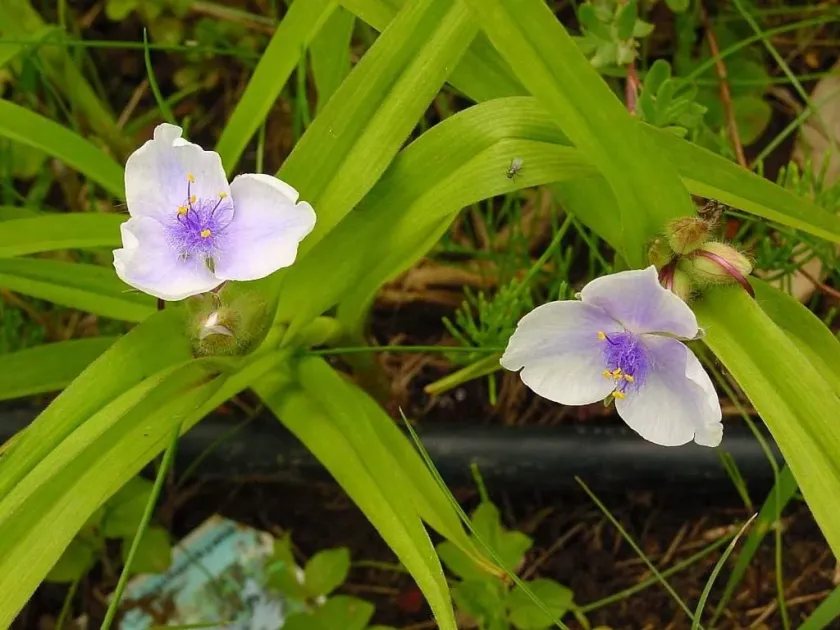
Description
Growing requirements
Tradescantia hybrids (Tradescantia hybrids) are perennial herbaceous plants belonging to the Commelinaceae family. These plants are the result of complex cross-breeding of North American species, valued for their vibrant, short-lived blooms and lush, grass-like foliage.
These hybrids are highly adaptable but thrive best in moist, fertile, and humus-rich soils. They are naturally accustomed to riparian zones, which means they perform exceptionally well in garden beds that retain moisture and have consistent irrigation throughout the growing season.
Regarding light requirements, they can be grown in full sun or partial shade. However, in regions with intense summer heat, light afternoon shade is recommended to prevent leaf scorching and to maintain the aesthetic quality of the foliage and flowers.
The agricultural maintenance of this crop involves regular fertilization using balanced NPK fertilizers in spring. Adding organic mulch helps retain soil moisture, suppresses weeds, and improves the overall structural health of the soil around the root zone.
Propagation is typically achieved through division of the clumps every three to four years. This practice is essential to prevent overcrowding, improve plant health, and ensure that the clump continues to bloom vigorously year after year.
Main diseases and pests
Tradescantia hybrids are generally resilient, but they can be susceptible to aphids, which tend to congregate on the tender buds and young leaves. Regular inspection during the early growth stages is crucial for early intervention.
Spider mites are another common pest, particularly in hot and dry climates. They cause stippling on the leaves and can lead to plant decline if left unchecked. Frequent misting or using targeted acaricides can help manage their populations.
Fungal diseases like gray mold (Botrytis) may occur, especially during long periods of high humidity or rainy weather. Maintaining good spacing between plants is the primary cultural practice to ensure proper air circulation and reduce disease pressure.
Slugs and snails often feed on the foliage, leaving ragged holes that reduce the plant's ornamental value. Barrier techniques or iron phosphate baits are common methods used to mitigate damage in ornamental garden settings.
Effective disease management also includes the prompt removal of infected plant debris. Sanitation is vital in a perennial bed to prevent spores from overwintering and re-infecting the plants in the following growing season.