
Hairy-flower spiderwort
Tradescantia hirsutiflora
Description
Growing requirements
Tradescantia hirsutiflora, commonly known as the hairy-flower spiderwort, is a herbaceous perennial belonging to the Commelinaceae family. Native to the southern United States, it is typically found in prairies and open woodlands, favoring temperate climates.
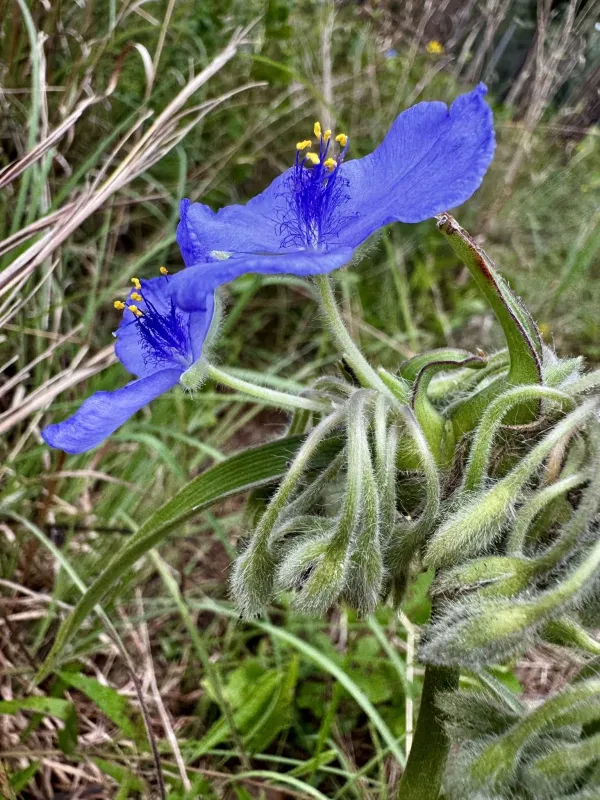
The botanical structure of this species includes stems covered with distinct glandular hairs, which serve as a protective mechanism against moisture loss. Its foliage is lanceolate, and it produces clusters of vibrant, three-petaled flowers that usually bloom in late spring.
Successful cultivation of this plant requires well-draining soil rich in organic matter. While it thrives in full sun, it shows significant adaptability, performing well in partial shade where it can maintain its structural integrity and aesthetic appeal.
Climatic requirements are relatively standard for temperate perennials. It prefers consistent moisture levels during the active growth phase but demonstrates moderate drought tolerance once the root system is well-established in the field.
Agricultural management should focus on soil aeration and the application of balanced fertilizers during the early spring. Regular monitoring of the site ensures that the plant remains healthy and free from competition with invasive weed species.
Main diseases and pests
Common pests affecting Tradescantia hirsutiflora include spider mites and aphids, which tend to congregate on the underside of the leaves. Early detection is critical to preventing damage that could otherwise lead to leaf senescence and reduced vigor.
Pathogenic threats primarily involve fungal issues, such as leaf spot or powdery mildew, often triggered by excessive humidity. Proper spacing between plants is essential to facilitate air movement, which significantly reduces the risk of fungal proliferation.