
Tradescantia hirsuticaulis
Tradescantia hirsuticaulis
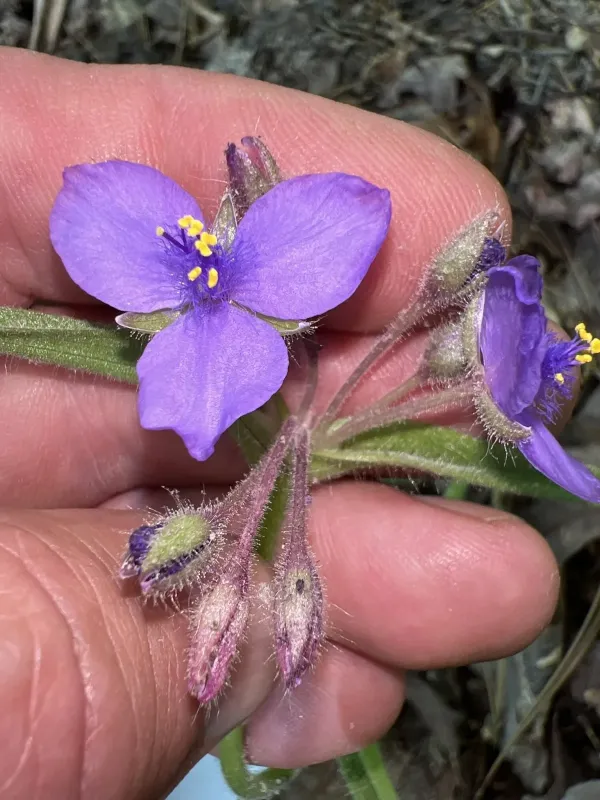
Description
Sowing dates
Sowing Tradescantia hirsuticaulis is typically performed in the spring when soil temperatures stabilize around 15–18 degrees Celsius. For greenhouse propagation, seeds should be sown in trays in March, maintaining high moisture until germination occurs.
When sowing directly outdoors, it is essential to select a site that avoids harsh afternoon sunlight. Transplanting seedlings into the field is recommended by late May, once the risk of frost has completely passed for the season.
Vegetative propagation via root division is highly effective and preferred by many growers. This procedure should be performed in early spring or autumn to allow the divided plants to establish their root systems before extreme temperatures arrive.
Cold stratification of seeds for several weeks prior to sowing can significantly improve germination rates. This biological pretreatment mimics the natural winter cycle, leading to more uniform and vigorous plant development.
Seeds should be covered with approximately 1 centimeter of soil. It is crucial to ensure the sowing medium is light and aerated to prevent the seeds from damping off, especially in humid conditions.
Growing requirements
As a member of the Commelinaceae family, this species thrives in fertile, well-draining soils with a neutral or slightly acidic pH. The plant is native to the woodlands of North America, favoring nutrient-rich substrates.
Regular watering is required during the active growing season, although the plant displays some tolerance to occasional dry spells. Proper drainage is the most critical factor to prevent root rot in heavier soil types.
Tradescantia hirsuticaulis prefers bright, indirect light. While it can survive in partial shade, excessive shade may result in weak, spindly stems and reduced flowering, affecting the plant's overall aesthetic value.
Mulching the base of the plant with organic matter helps retain moisture and regulate soil temperature. This practice is particularly beneficial in regions prone to sudden temperature fluctuations during the summer.
Balanced fertilization during the early growing phase promotes healthy foliage and vibrant blooming. Using slow-release fertilizers can provide a steady supply of nutrients throughout the entire summer season.
Main diseases and pests
Spider mites and aphids are the most common pests, particularly during periods of low humidity and high heat. Early intervention with suitable acaricides or insecticidal soaps is recommended to keep pest populations in check.
Fungal issues like gray mold (Botrytis) can emerge if the air circulation around the plants is poor. Maintaining adequate spacing between individual plants is the best preventive measure against such diseases.
Root rot is a persistent threat in waterlogged soils. To mitigate this risk, soil amendments like coarse sand or perlite are suggested to ensure the root zone does not remain saturated for extended periods.
Slugs and snails can cause significant damage to young, tender foliage during wet periods. Implementing physical barriers or using environmentally safe baits can protect the plants from significant cosmetic damage.
Routine scouting for signs of leaf spots or discoloration is advised. If a fungal infection is identified, immediate application of appropriate fungicides will help contain the spread and protect neighboring plants.