
Tradescantia gracilis
Tradescantia gracilis
Description
Growing requirements
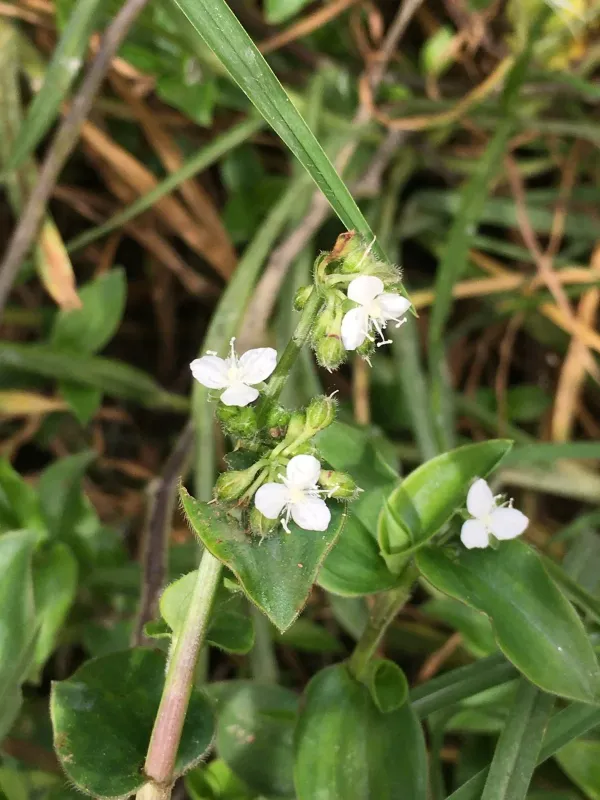
Tradescantia gracilis is a perennial herbaceous plant belonging to the Commelinaceae family. Native to tropical regions of the Americas, it is widely recognized for its elegant, cascading foliage and modest growth habits.
The plant thrives in bright, indirect light. While it can tolerate some shade, placing it in a well-lit area ensures dense leaf formation and preserves the plant's natural coloration and structural integrity.
An ideal growing medium should be well-drained and slightly acidic to neutral. A mixture of peat moss, pine bark, and perlite provides the necessary aeration to prevent root suffocation during regular watering.
Consistent moisture is required throughout the growing season. However, it is essential to allow the top layer of soil to dry out slightly between waterings to avoid the development of anaerobic conditions in the root zone.
Moderate humidity levels are beneficial for the plant's development. If the indoor environment is too dry, especially during winter months, occasional misting or the use of a humidifier is highly recommended.
Main diseases and pests
Spider mites are the most significant pest affecting Tradescantia gracilis, particularly in environments with poor ventilation and low humidity levels throughout the year.
Root rot, caused by fungal pathogens due to waterlogged soil, is a frequent threat. Symptoms include yellowing leaves and mushy stems, which indicate an urgent need to adjust the irrigation frequency.
Aphids and mealybugs can also infest the plant, clustering in the leaf axils where they sap the plant's vitality. Early detection through regular inspections is key to successful management.
To control pest outbreaks, horticultural soaps or neem oil solutions are often effective as natural alternatives to synthetic pesticides, providing safe protection for indoor environments.
Proper sanitation, including the removal of dead or dying foliage and maintaining clean growing pots, significantly minimizes the risk of recurring infestations and soil-borne diseases.