
Thick-leaved tradescantia
Tradescantia crassifolia
Description
Growing requirements
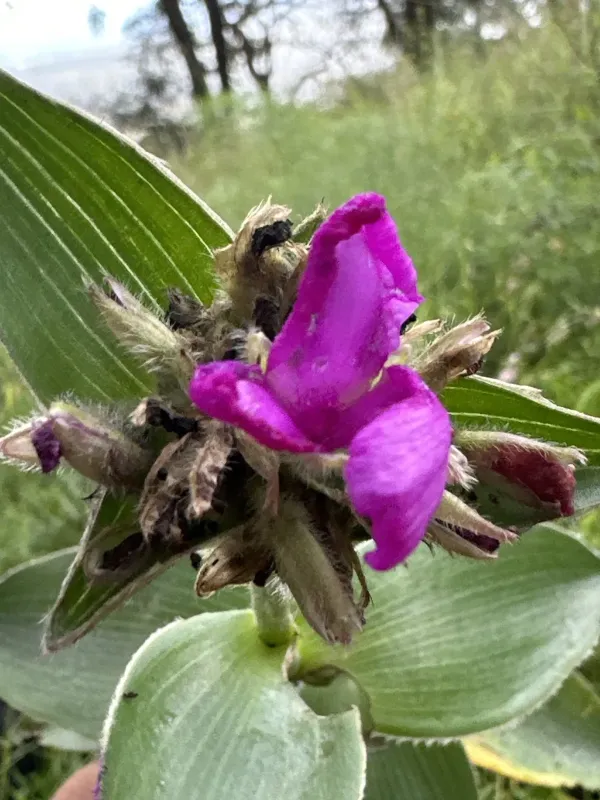
Thick-leaved tradescantia (Tradescantia crassifolia) is a herbaceous perennial belonging to the Commelinaceae family. This species is native to the highland regions of Mexico, where it has adapted to specific mountain ecological niches.
The botanical structure of the plant is defined by its succulent, pubescent leaves, which serve as water storage tissues. This adaptation allows the plant to survive in environments with periodic moisture fluctuations.
For successful cultivation, the crop requires well-drained, porous soil with a neutral to slightly acidic pH. A substrate composed of peat, coarse sand, and organic matter is recommended for container or greenhouse growth.
The species prefers bright, indirect sunlight. Exposure to direct harsh sunlight can cause tissue damage, while insufficient light leads to etiolation, where stems become elongated and structurally weak.
Agrotechnical maintenance focuses on maintaining a temperature range between 18 and 25 degrees Celsius. The crop is highly sensitive to frost; therefore, cultivation is typically limited to protected environments in temperate climate zones.
Main diseases and pests
The primary threat to the crop is root rot, typically caused by waterlogged soil. Ensuring proper drainage and allowing the top layer of soil to dry between waterings is essential for disease prevention.
Spider mites are the most significant pest, thriving in dry, warm conditions. Regular monitoring of the leaf undersides is recommended to detect early infestations before they cause significant canopy damage.
Mealybugs are another common pest that tends to cluster in the leaf axils. Physical removal combined with the application of horticultural oils or systemic insecticides is usually effective in controlling their population.
Aphids may occasionally attack the tender growth tips during the vegetative stage. Early intervention with bio-pesticides or insecticidal soap is recommended to prevent the weakening of the main stem.
In terms of sanitation, tools used for pruning should be disinfected between plants to prevent the potential spread of pathogens. Maintaining low humidity in the canopy is a critical factor in reducing fungal proliferation.