
Palisota mannii
Palisota mannii
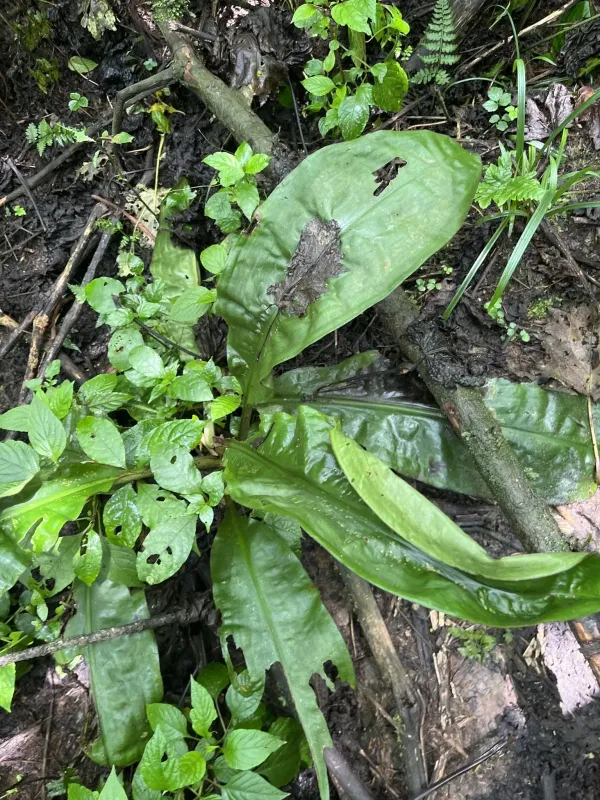
Description
Growing requirements
Palisota mannii is a perennial herbaceous plant belonging to the Commelinaceae family. Native to the lush rainforests of tropical Africa, it thrives in shaded environments and humid conditions.
The plant is characterized by its robust stem and large, succulent-like leaves that form a dense rosette. Its botanical structure is well-adapted to surviving in the understory of dense forests where light penetration is limited.
To cultivate Palisota mannii successfully, one must maintain a tropical environment with temperatures consistently above 20°C. High ambient humidity is essential to prevent leaf desiccation and promote vigorous vegetative growth.
Soil requirements involve a nutrient-rich, humus-based substrate that is well-draining yet capable of holding consistent moisture. The use of organic amendments like peat or leaf mold is recommended to replicate the natural floor conditions of its native habitat.
Cultural management should focus on avoiding direct sun exposure, which causes severe leaf burn. Providing filtered or indirect light is the preferred agronomic practice to maintain the plant's deep green foliage and overall vitality.
Main diseases and pests
The primary threats to Palisota mannii are fungal infections, particularly root rot, caused by overwatering or poor drainage systems in the growing container.
Spider mites are the most common pest associated with this crop. They proliferate in environments with low humidity, causing visible damage to the leaf tissue and hindering photosynthesis.
Mealybugs can also infest the plant, usually clustering in the junctions between leaves and stems. Their feeding weakens the plant and leaves it susceptible to secondary viral or bacterial infections.
Regular sanitation, such as removing fallen leaves and checking for pests, is a fundamental aspect of integrated pest management for this culture.
In case of severe infestation, using neem oil or insecticidal soaps is effective while ensuring the plant is kept in a well-ventilated area to allow for quick drying of the foliage.